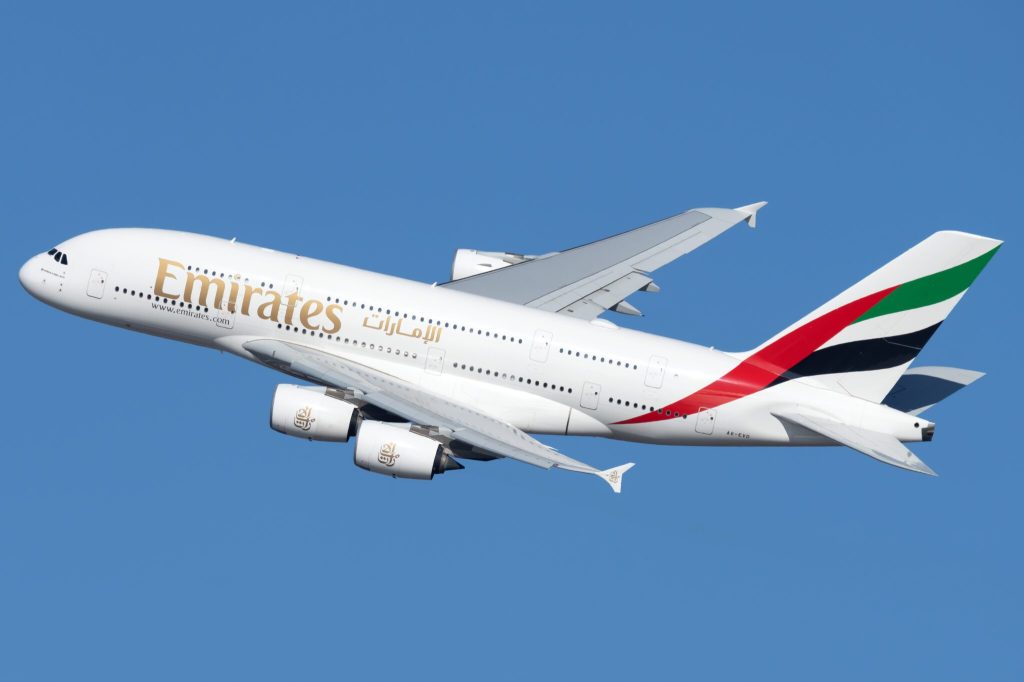
Emirates has restored its operations to 92% capacity despite ongoing regional tensions, marking a remarkable recovery from disruptions caused by the Iran conflict. The Dubai-based carrier achieved this rebuilding faster than industry analysts predicted and faster than the geopolitical situation stabilized.
Sir Tim Clark, the airline's president, deployed proven crisis-management strategies to navigate the volatile environment. Emirates' recovery demonstrates the carrier's operational resilience and its ability to maintain schedule reliability even amid regional uncertainty that continues to affect aviation across the Middle East.
The airline's rapid bounce-back reflects several operational advantages. Emirates maintains significant redundancy in its fleet and routing options, allowing it to absorb disruptions without wholesale cancellations. The carrier's hub-and-spoke model centered at Dubai International Airport provides flexibility to reroute aircraft and passengers around affected airspace.
This recovery carries implications for travelers planning Middle East travel. Emirates passengers face fewer cancellations and delays than during peak disruption periods, though some routes still experience routing changes. The airline continues normal bookings and maintains competitive pricing despite the instability that forced other carriers to reduce frequencies.
The Iran situation remains unresolved, creating ongoing uncertainty for regional aviation. Other carriers including Air France, Lufthansa, and various Asian airlines have reduced frequencies or suspended routes through Iranian airspace. Emirates' faster-than-expected recovery suggests the conflict's impact on commercial aviation, while real, remains manageable for well-capitalized carriers with established infrastructure.
Travelers should expect normal service levels on most Emirates routes, though booking flexibility remains prudent for anyone flying through the Persian Gulf region. The airline's demonstrated capacity to maintain operations at 92% during active geopolitical tensions indicates confidence in its crisis protocols. Clark's track record managing airline disruptions, built through decades at Emirates, suggests the carrier will continue adapting to whatever developments unfold in the region.