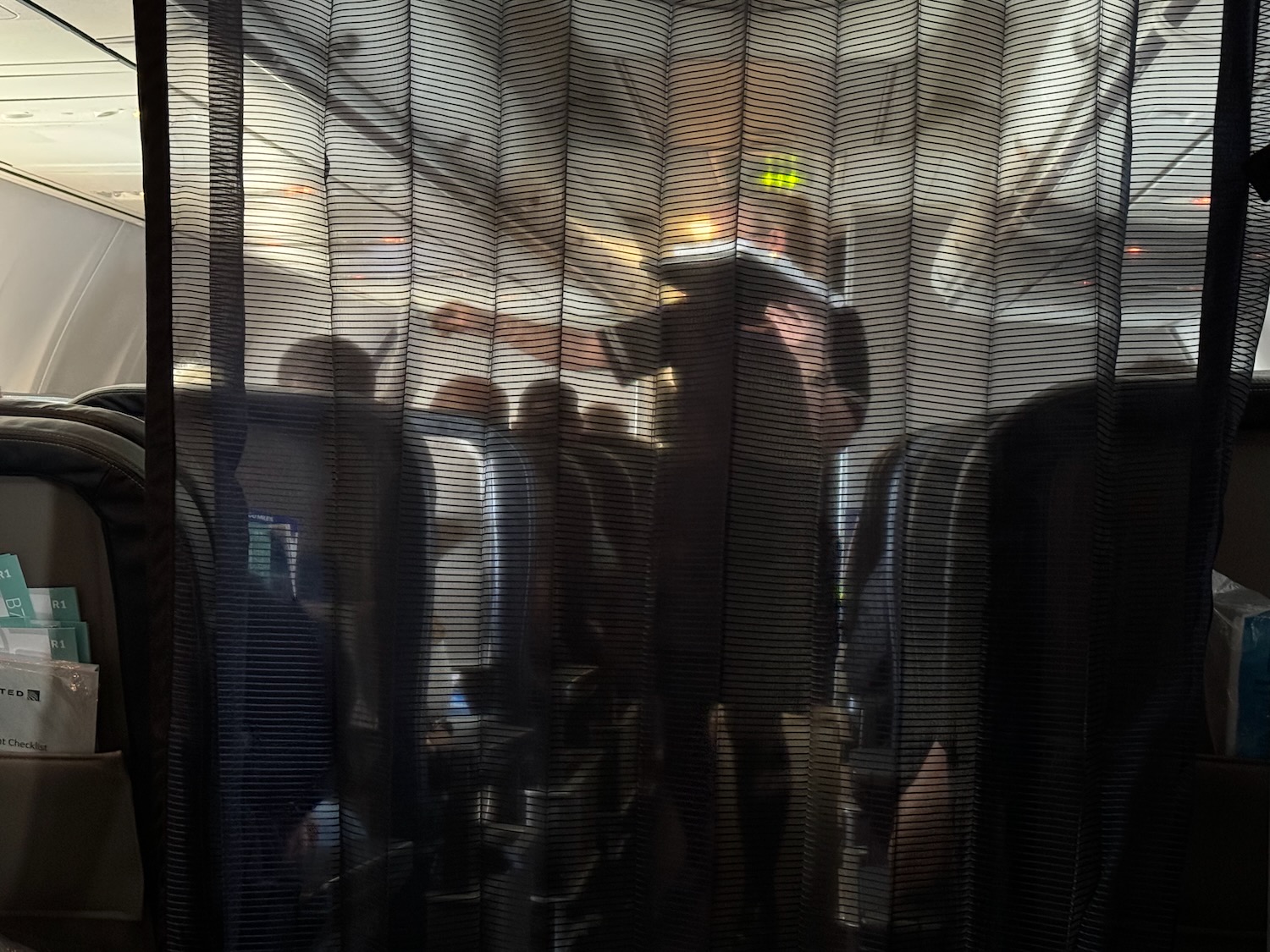
United Airlines flight attendants operate an underground economy trading premium international routes, revealing labor inequities within the carrier's scheduling system. Junior crew members like Jen, stationed at LAX on reserve status, have virtually no control over their assignments and wait for last-minute callouts. Meanwhile, senior flight attendants leverage seniority rules to claim desirable trips, then resell them through password-protected crew forums and private Facebook groups.
The Los Angeles to Sydney to Los Angeles routing represents the holy grail of these transactions. Senior attendants secure these long-haul Pacific routes through seniority, then monetize them by offering them to willing junior crew members willing to pay premiums or trade valuable trips in return. This shadow market exists because United's formal bid system rewards seniority but doesn't prevent senior crew from reassigning trips they've already claimed.
The practice highlights structural problems in United's labor model. Junior flight attendants endure unpredictable schedules while senior crew gatekeep premium international routes. The unofficial marketplace becomes a workaround for those desperate to escape reserve duty or access layovers in desirable cities. Sydney trips command particular value given the length of haul, compensation, and appeal as a tourist destination.
United crew members operate these trades through encrypted channels specifically to avoid airline detection and potential discipline. The transactions often involve cash payments, trip swaps, or quid pro quo arrangements that violate formal company policy regarding trip assignments.
This secondary market exposes broader issues affecting airline staffing across the industry. Flight attendant compensation remains relatively flat despite rising experience levels, making desirable international routes valuable currency. Senior crew have learned to exploit seniority systems for financial gain, while junior attendants absorb scheduling unpredictability as an occupational cost.
For travelers, these internal crew dynamics remain invisible. For United flight attendants themselves, the trip-trading economy reflects frustration with scheduling systems that leave