Southwest Airlines introduced new ancillary fees and raised fares across its network to absorb an $889 million fuel bill spike that pressured second-quarter earnings. The carrier added charges for premium seating, expedited boarding, and checked bags on select routes while increasing base fares to maintain margins.
The Dallas-based airline justified the moves as part of a broader strategy to enhance network profitability and product offerings. Southwest historically resisted baggage fees, a competitive advantage that set it apart from United, American, and Delta. That distinction erodes as fuel costs climbed substantially in recent quarters.
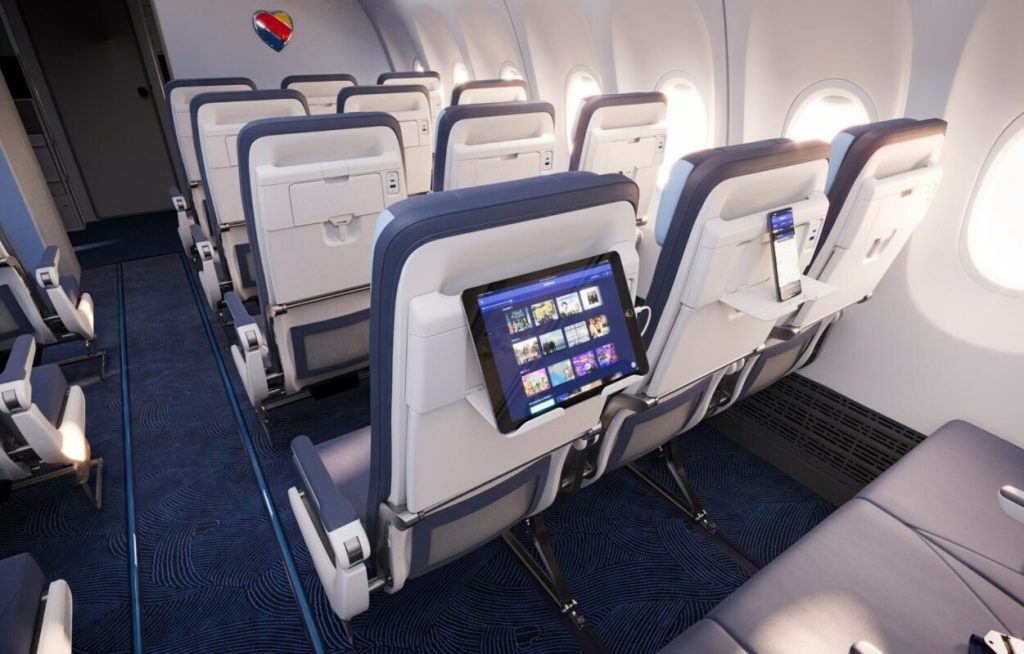
For budget travelers, the changes mark a shift in Southwest's positioning. The airline's traditional model of free checked bags and no assigned seating appealed to price-conscious flyers avoiding legacy carrier fees. New premium seating options now charge extra, directly competing with United's Economy Plus and American's Main Cabin Extra products.
The fuel cost surge reflects industry-wide headwinds. Oil prices climbed following geopolitical tensions and refinery constraints. Southwest, which historically hedged fuel costs effectively, faces exposure to volatile jet fuel markets. The $889 million bill demonstrates how quickly fuel can erode airline profitability despite strong travel demand.
Industry analysts note this trend extends across carriers. Delta, American, and United implemented similar fare increases and ancillary revenue pushes. Yet Southwest's historic low-cost positioning made its fee additions particularly noticeable to loyal customers accustomed to no-frills transparency.
Leisure travelers planning trips should expect higher base fares on Southwest routes but may still find value compared to full-service carriers when avoiding premium add-ons. Business travelers and frequent flyers weighing premium seating upgrades now encounter pricing closer to legacy carriers.
Southwest's network focus includes potential new routes and increased frequency on profitable segments. The carrier maintains its point-to-point model across 150