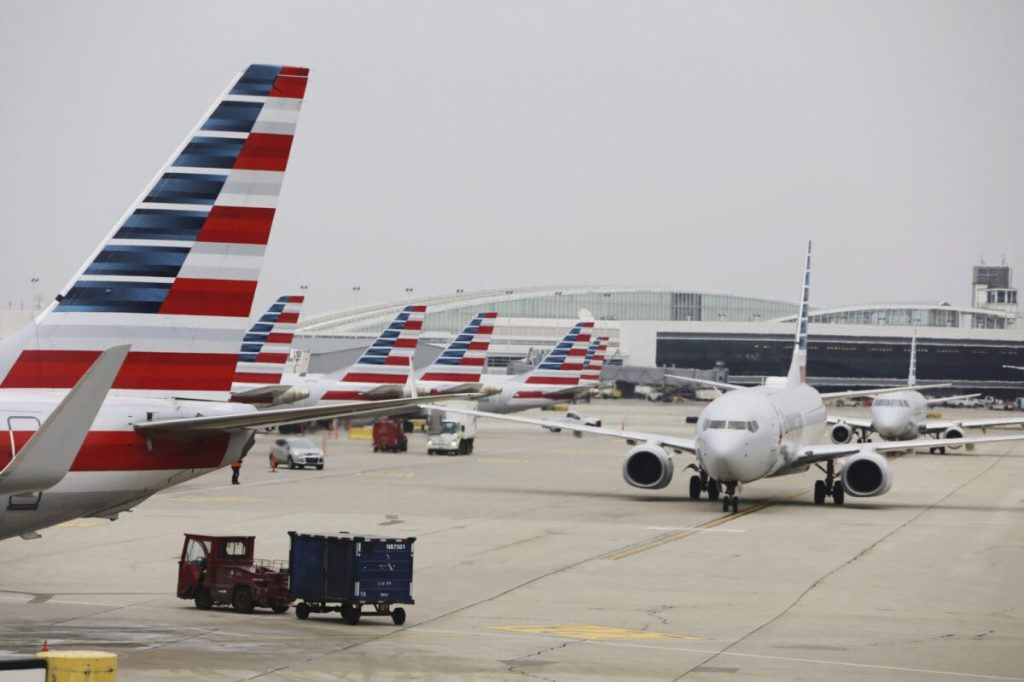
American Airlines is bucking the industry trend by adding capacity while Delta and United pare back their fleets. The Dallas-based carrier is maintaining a more aggressive scheduling strategy, betting that demand will sustain higher seat availability even as fuel costs remain unpredictable.
Delta and United have announced sharper capacity reductions in response to softer demand and economic uncertainty. These cuts typically mean fewer flights on key routes, reduced aircraft deployment, and smaller seat counts on existing services. American's leadership, however, views aggressive capacity management as too risky given the volatility surrounding jet fuel prices and broader market conditions.
The divergence among the Big Three carriers creates distinct competitive dynamics. Travelers booking with American may find more flight options on popular routes like New York to Los Angeles or Dallas to Chicago, potentially driving down fares through increased supply. Conversely, flying Delta or United could mean fewer direct flight alternatives as those carriers optimize for profitability over volume.
For business and leisure travelers, this strategy matters. American's willingness to maintain more seats in the market could translate to lower ticket prices during periods when its rivals restrict capacity. However, load factors (the percentage of seats filled per flight) could suffer if demand doesn't materialize as expected, possibly leading to less efficient operations.
The fuel price gamble reflects American's confidence in underlying travel demand despite recent economic headwinds. Oil price swings directly impact airline profitability. Delta and United's more cautious approach assumes fuel volatility will persist and demand may soften further. American's executives believe their current capacity levels position them better to capture market share if consumer spending on travel holds steady.
The outcome of this strategic divergence will shape competition through 2024. If American's demand thesis proves correct, the airline gains pricing power and market position. If it misjudges the market, higher fuel costs combined with underutilized flights could pressure margins. Meanwhile, Delta and United's