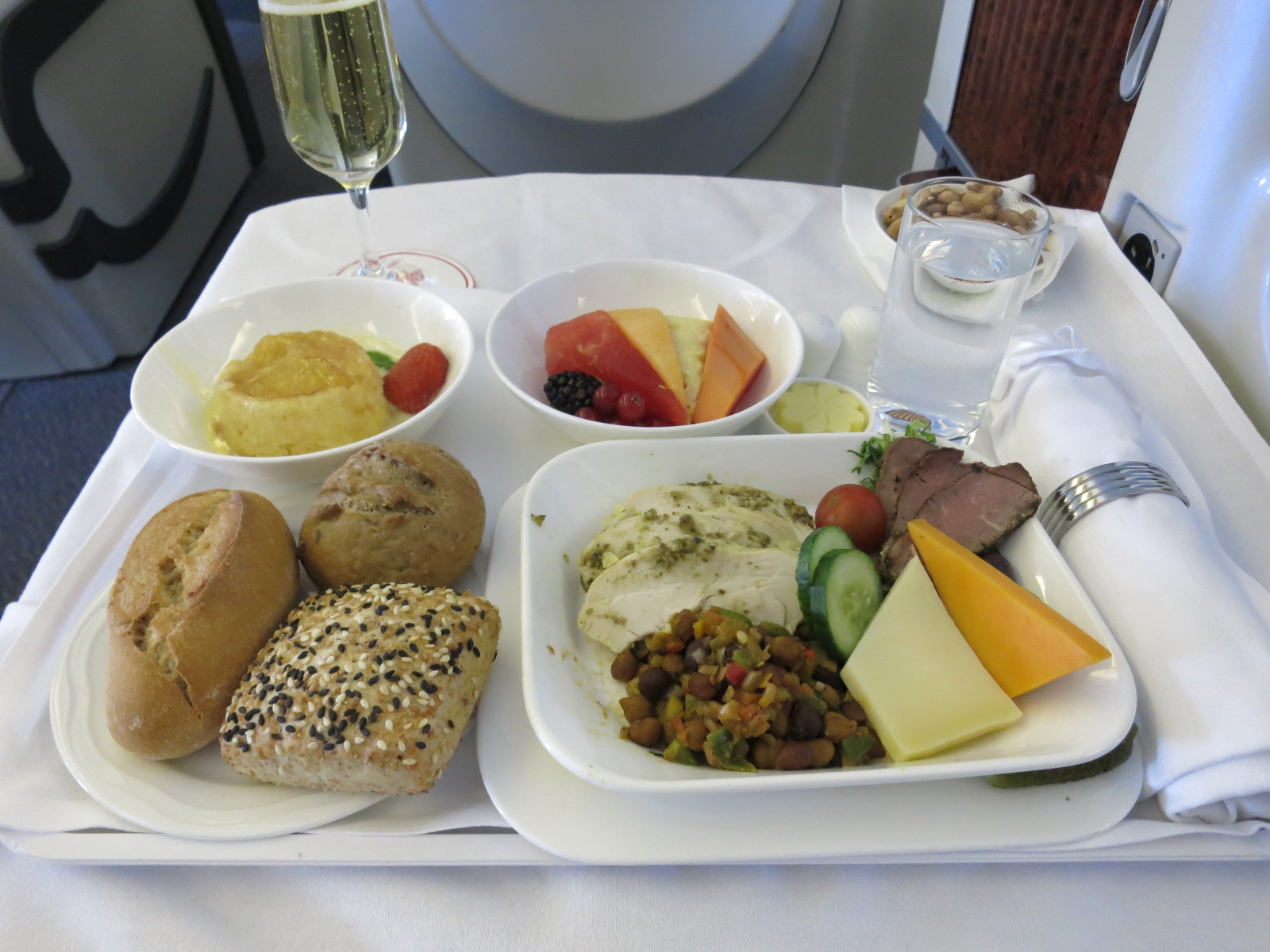
A technology startup has filed a lawsuit against Emirates, alleging the airline appropriated its proprietary meal-preorder platform after the company shared implementation details during a business pitch. The unnamed startup claims it presented its passenger meal-preorder system to Emirates leadership, revealed confidential technical specifications, and subsequently discovered the airline had launched a competing business class preorder feature using similar technology.
The dispute centers on Emirates' business class service, where passengers can now select and preorder meals before flights. The startup contends this system mirrors the platform it demonstrated to the airline's decision-makers. Such preorder systems improve passenger satisfaction by allowing travelers to customize dining experiences ahead of their journey, addressing a growing demand for personalization in premium cabin services.
This case reflects broader tensions in aviation technology innovation. Startups frequently pitch novel solutions to airlines, exposing trade secrets and technical approaches during negotiations. Airlines possess significant leverage in these discussions. They can evaluate concepts, decide against partnerships, and later develop in-house alternatives using insights gained from the pitches themselves.
Emirates operates one of the world's largest premium-cabin fleets. The airline serves roughly 90 million passengers annually across its global network. Business class represents a revenue engine for the carrier, and meal quality directly influences premium cabin competition. Preorder systems enhance the perceived value of business class tickets by delivering personalized dining rather than standard service.
The lawsuit raises questions about intellectual property protection for aviation tech vendors. Startups pitching to carriers must balance transparency, which helps airlines understand the solution, against safeguarding their core innovations. Legal remedies for alleged technology theft remain limited unless the startup can prove the airline specifically copied proprietary code or processes rather than simply developing similar functionality independently.
Emirates has not publicly commented on the lawsuit. The airline continues offering its business class meal preorder feature across its international network. The case may influence how technology companies approach future negotiations with major carriers and whether non-disclosure agreements