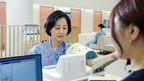
# South Korea Emerges as Medical Tourism Powerhouse
Medical tourists from across the globe increasingly choose South Korea for surgical procedures and treatments, transforming the nation into a premier healthcare destination. The country combines advanced medical technology with competitive pricing, attracting patients seeking everything from cosmetic surgery to complex orthopedic procedures.
South Korea's healthcare infrastructure rivals that of Western nations while costing significantly less. A facelift in Seoul runs roughly 40 to 50 percent cheaper than equivalent procedures in the United States or United Kingdom. Major hospitals like Samsung Medical Center and Asan Medical Center in Seoul maintain international accreditation and employ English-speaking staff trained to handle foreign patients.
The trend reflects broader shifts in global healthcare consumption. Patients from Southeast Asia, the Middle East, and even North America schedule multiple procedures during single trips, turning medical visits into wellness tourism experiences. Many medical tourists combine their hospital stays with recovery time at luxury wellness resorts near Seoul or Busan, where they recuperate while exploring Korea's food scene and cultural attractions.
Airlines including Korean Air and Asiana Airlines have responded by expanding flight routes and creating packages for medical tourists. Hotels near major medical centers offer recovery-focused amenities, high-speed internet, and meal services catering to post-procedure diets.
Cost savings represent the primary draw. Dental implants, knee replacements, and bariatric surgeries cost 30 to 60 percent less in South Korea than in Western countries, without compromising quality. Regulatory standards remain strict, with the Korea Medical Tourism Association enforcing ethical guidelines.
The phenomenon supports South Korea's broader economic goals. The government actively promotes medical tourism through its Korea Tourism Organization, targeting 1 million medical tourists annually by 2030. Medical facilities in secondary cities like Daegu and Daejeon now compete for international patients, spreading economic benefits beyond Seoul.
For travelers considering medical