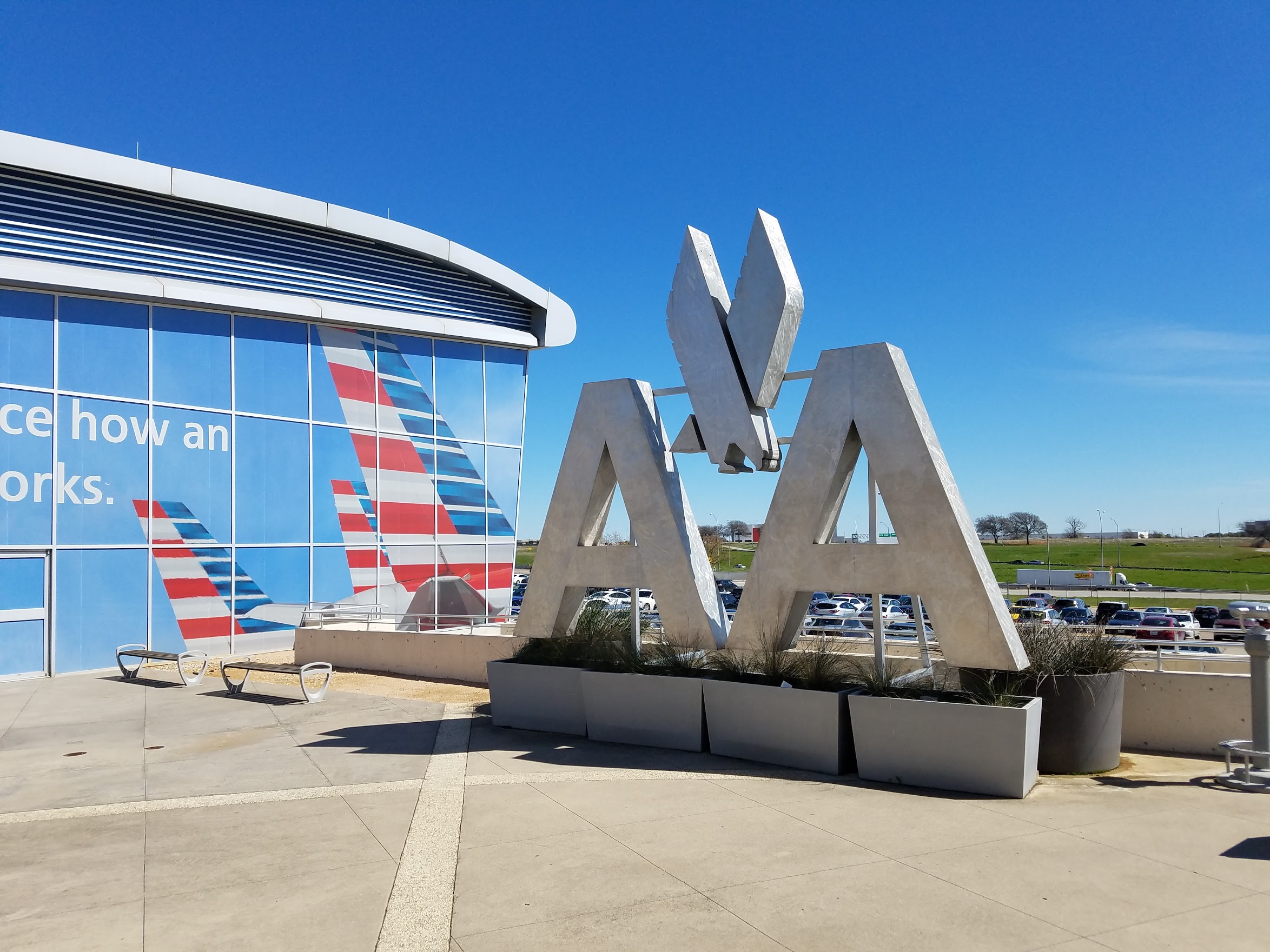
American Airlines reports operational improvements across multiple fronts, including stronger revenue performance, expanded premium cabin bookings, and reduced missed connections. The carrier claims its turnaround strategy is gaining traction. However, Wall Street analysts remain skeptical about the airline's ability to translate these gains into sustainable profitability.
The core problem centers on margins. American Airlines continues to operate with thin profit margins compared to competitors Delta Air Lines and United Airlines. Analysts point to persistently high costs that offset revenue improvements. The airline industry operates on notoriously tight margins, and American's cost structure has not narrowed sufficiently to convince investors the turnaround is real.
Premium cabin growth offers a bright spot for American. Travelers booking first and business class seats generate higher revenue per passenger, a key metric for airline profitability. Improved operational reliability, measured by fewer missed connections, also supports the carrier's case. Better on-time performance drives customer satisfaction and loyalty, which translate to premium revenue.
Yet execution remains the proving ground. American must demonstrate it can close the profitability gap with Delta and United, both of which command higher margins and stronger investor confidence. Those carriers have managed their capacity more effectively and maintained pricing power during competitive periods.
American Airlines faces a credibility test. Operational improvements mean little to shareholders if the airline cannot convert them into bottom-line earnings that exceed Wall Street expectations. The carrier needs to show that premium growth accelerates, cost controls stick, and profitability improves quarter after quarter.
Travelers planning trips should watch this space. Airline financial health affects route availability, service quality, and seat availability. A successful American turnaround could mean better scheduling options and more competitive fares. A failed turnaround could mean route cuts and reduced competition on key markets. For now, Wall Street remains unconvinced that American has solved its fundamental challenge: operating profitably in an intensely competitive market.
CATEGORY