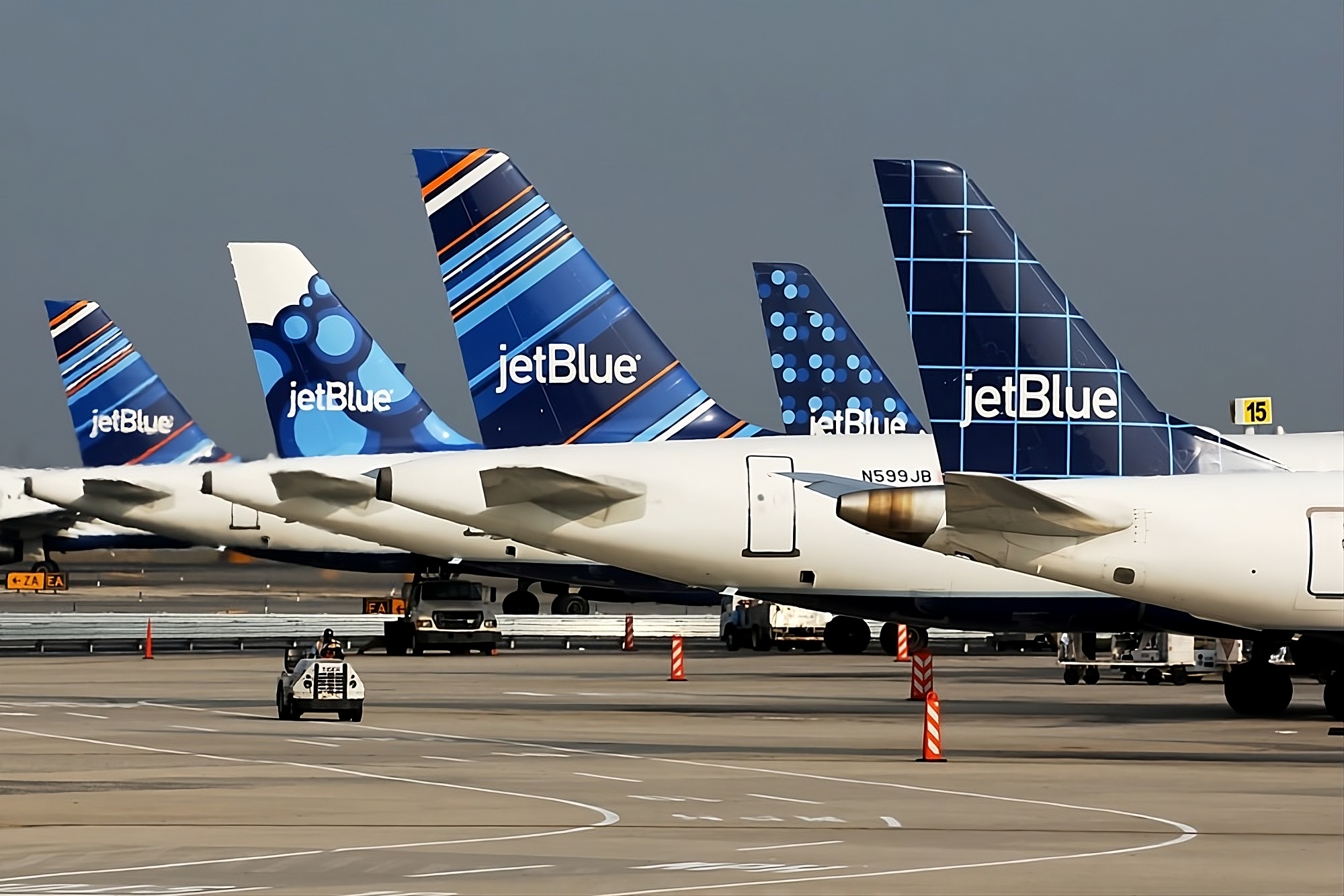
JetBlue's financial distress deepened this week as bonds backed by its TrueBlue frequent flyer program jumped to a 14% yield, signaling serious investor concern about the airline's stability. The carrier scheduled an unannounced investor call centered on liquidity and balance sheet strength, a move that rattled markets despite JetBlue's insistence that such meetings are routine.
The 14% yield reflects junk-bond territory, a stark warning sign. JetBlue carries years of accumulated losses and operates with a credit rating deep in speculative grade. The airline's turnaround strategy remains unproven, leaving investors hungry for answers about cash reserves and debt obligations.
TrueBlue-backed securitization bonds, which convert frequent flyer miles into tradeable securities, represent a newer financing tool for struggling carriers. By pledging loyalty program revenue, airlines tap into a valuable asset. However, when an airline's core operations deteriorate, these bonds become risky bets. Investors now demand compensation in the form of sky-high yields to hold JetBlue's debt.
This development arrives as the airline industry grapples with elevated fuel costs, labor pressures, and softer leisure travel demand. JetBlue specifically has faced headwinds from its Northeast focus, where competition from legacy carriers Delta and American intensifies. The carrier's cost structure remains challenged relative to rivals.
The investor call suggests JetBlue's management recognizes growing doubt about liquidity. Airlines must maintain adequate cash buffers for operations, capex, and debt service. When that cash position tightens, executives typically reach out to major investors. The market's reaction, pricing these bonds at painful yields, indicates investors question whether JetBlue's turnaround gains traction fast enough.
Travelers booking JetBlue should monitor developments closely. While the airline operates normally today