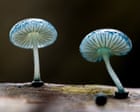
Australia's largest cool temperate rainforest now welcomes travelers seeking a different kind of wilderness experience. The Tarkine, or Takayna, in north-west Tasmania has launched fungi-focused tours that reveal the mycological wonders hiding beneath the forest floor.
A three-day workshop guides participants through this Gondwanan rainforest where 2,000-year-old Huon pines tower overhead and freshwater crayfish stretch nearly a meter long in pristine streams. The forest, revered as one of Australia's last true wilderness areas, harbors life forms predating dinosaurs. Fungi rank among the oldest organisms thriving here, their networks predating animals and trees themselves.
This emerging travel niche taps into growing global fascination with mycology. Adventure travel operators increasingly recognize that nature tourism extends beyond traditional wildlife spotting and hiking. Guided fungi workshops attract naturalists, amateur scientists, and curious travelers seeking deeper forest engagement.
The Tarkine workshop experience appeals to travelers willing to venture off mainstream tourist routes. Tasmania's north-west region remains relatively undiscovered compared to iconic destinations like Cradle Mountain or Port Arthur. The three-day immersion format suits visitors planning extended stays rather than quick day trips.
Costs for specialist nature workshops in Australian rainforests typically range from AUD 800 to 1,500 per person, depending on accommodation and guide expertise. Participants access remote areas via guided hikes, learning fungal identification while exploring one of Earth's oldest ecosystems.
This represents a broader travel trend. Destination marketing increasingly emphasizes ecological education and scientific engagement. Operators recognize that travelers now seek meaningful interactions with natural systems rather than passive sightseeing. The Tarkine's mycological tours position Tasmania as a learning destination for nature enthusiasts.
For travelers planning visits, the best season runs autumn through spring when fungal