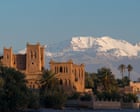
Skoura, a four-hour drive south of Marrakech in Morocco, delivers an almost surreal escape from the modern world. This desert oasis, fed by water channeled from the Atlas Mountains, creates a dramatic sensory shift the moment visitors enter its boundaries. The temperature plummets, birdsong replaces highway noise, and the acrid desert air gives way to the smell of damp earth and rustling palms.
The explorer and author behind this piece has trekked across Morocco and the Sahara with loaded camels, yet returns to Skoura specifically to decompress. That endorsement speaks volumes. Oases hold historical weight in desert travel narratives. For centuries, caravans crossing brutal terrain viewed them as life-saving sanctuaries. Today, they offer the same psychological relief to modern travellers seeking reprieve from constant connectivity.
Skoura itself remains remarkably untouched by tourism development. The town maintains its traditional character through mud-brick kasbahs, date palm groves, and irrigation channels that have sustained settlement here for generations. The water system represents ingenious desert engineering, channeling snowmelt from distant mountains to keep this pocket of fertility alive in an otherwise arid landscape.
The appeal extends beyond novelty. Travellers increasingly seek authenticity over Instagram moments. Skoura delivers this through its very existence. No resort chains dominate the skyline. No tourist menus translate Arabic into broken English. The landscape and rhythm feel genuinely unchanged, making it ideal for those seeking genuine decompression rather than performative relaxation.
Access remains straightforward for Morocco travellers already visiting Marrakech. The four-hour drive connects easily to a broader itinerary covering the Atlas Mountains, Kasbah Ait Benhaddou, or Ouarzazate. Budget travellers find affordable guesthouses throughout