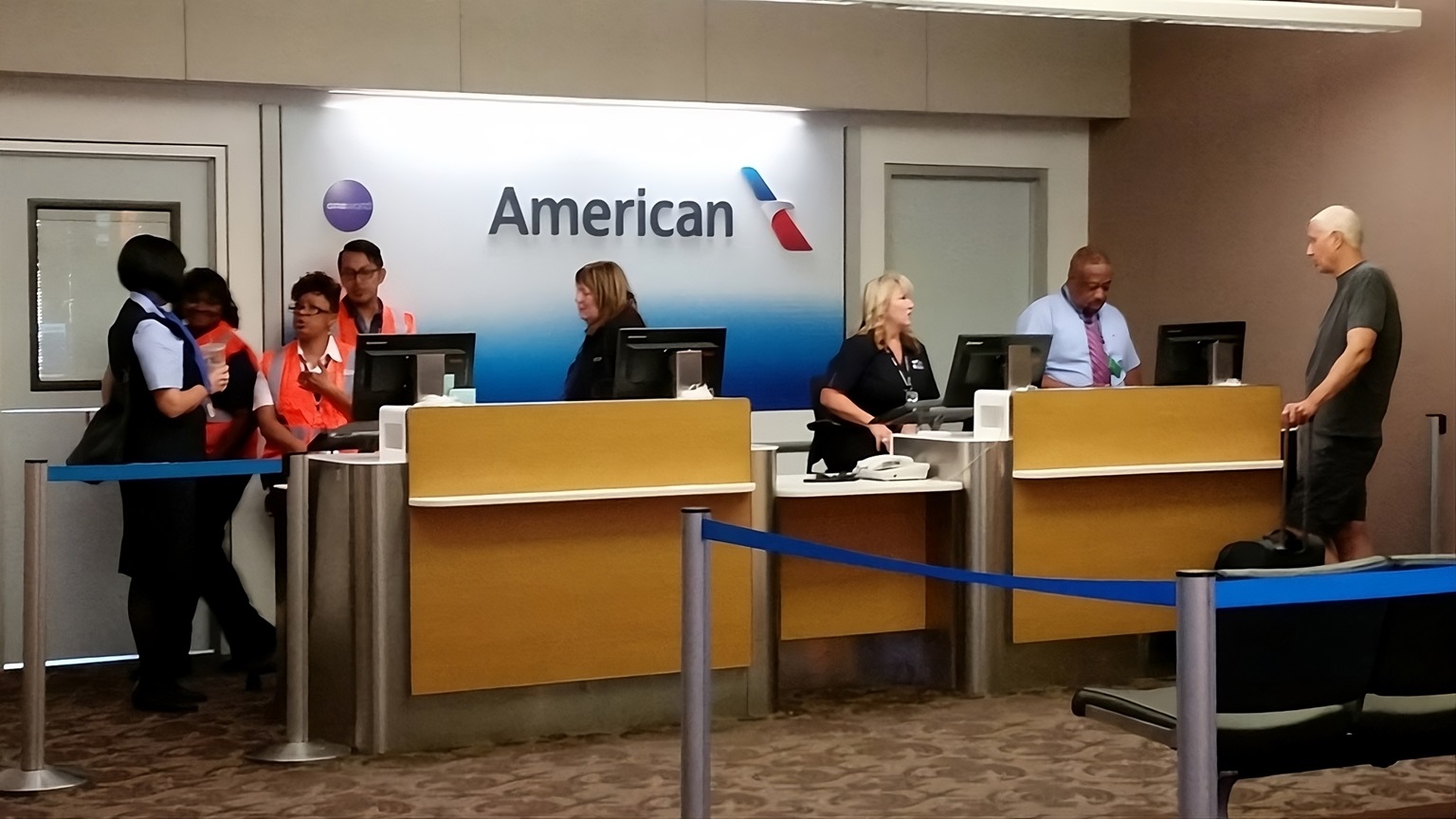
American Airlines charged a family $793 for an unexpected seat purchase when their toddler turned two years old during a trip. The airline's policy reflects federal aviation regulations that require children to occupy their own seat once they reach age two, rather than sitting on a parent's lap as "lap children."
The family's situation highlights a real operational challenge for carriers and travelers alike. Children under two can legally fly as lap passengers at no additional cost on most U.S. airlines, including American Airlines. Once a child's second birthday arrives, federal law mandates they receive their own seat with a seatbelt.
The timing created a financial shock for this family. Walk-up tickets, purchased at the gate rather than in advance, carry premium pricing. The $793 charge reflected last-minute booking rates rather than a child-seat discount. Had the parents purchased a seat for their toddler during initial booking, costs would likely have been substantially lower.
Travel experts note this scenario presents a planning dilemma for families with young children. Parents booking flights near their child's second birthday face uncertainty. Purchasing a seat in advance requires confirmation of the exact age at travel time. Missing the cutoff means paying inflated walk-up fares.
Airlines have legitimate safety reasons for the policy. The Federal Aviation Administration requires proper restraint systems for all passengers, and toddlers cannot safely use standard seatbelts alone. Car seats or airline-approved harnesses serve this function for young travelers.
For families planning trips with children approaching age two, booking well in advance and securing a seat immediately offers the best price protection. Contacting American Airlines or other carriers beforehand can clarify options and potential costs. Some families strategically schedule flights before reaching the two-year mark to avoid these premiums entirely, though this requires significant advance planning.
American Airlines applies this policy consistently across its fleet, treating second birthdays as the firm threshold for