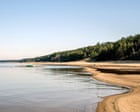
Travellers seeking Mediterranean vibes without summer heat are discovering cooler European coastlines that deliver the same aesthetic appeal at gentler temperatures. The Fanad peninsula in Ireland and forested beaches of Finland emerge as top reader recommendations for this emerging travel trend.
Latvia's Saulkrasti, an hour from Riga by frequent local train, exemplifies this shift. The coastal town features expansive sandy beaches backed by scented pine forests that descend directly to the shore. A marked 4-kilometre trail winds through the trees from Saulkrasti station to Balta Kapa, where a dramatic dune meets a blue river. Visitors report enjoying July picnics in comfortable conditions without the oppressive heat that characterises Mediterranean destinations in peak summer.
This pattern reflects broader traveller priorities reshaping European tourism. Climate-conscious holidaymakers increasingly reject sweltering temperatures of traditional summer spots like Greece, Spain, and southern Italy. Instead, they pursue Nordic and Atlantic destinations offering similar natural beauty and coastal charm at cooler temperatures, typically ranging from 15-20 degrees Celsius during July and August.
The Fanad peninsula in County Donegal showcases dramatic cliffs, isolated beaches, and authentic Irish culture. Finland's forested coastlines offer pristine Baltic scenery with midnight sun phenomena in high summer, attracting photographers and nature enthusiasts alike.
Practical advantages accompany this shift. Cooler coastal destinations typically experience fewer crowds than Mediterranean hotspots, resulting in shorter queues at restaurants and accommodation availability at reasonable rates. Train access from regional hubs like Riga provides affordable transport without hiring rental cars.
Budget considerations favour these alternatives. Accommodation in Saulkrasti, Fanad, and Finnish coastal towns undercuts prices in overheated Mediterranean resorts by 30-50 percent. Local dining remains economical, with seafood plat