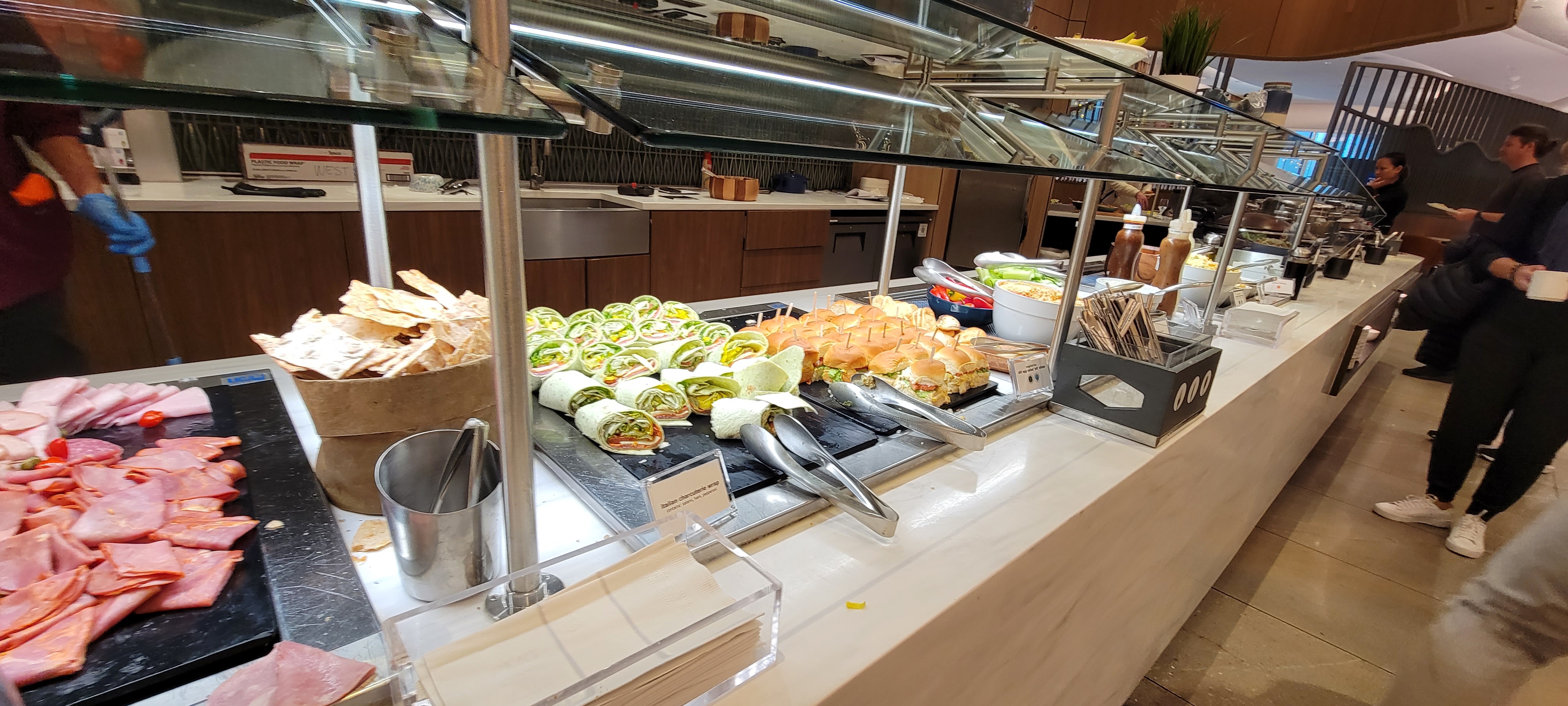
A Hyatt Regency Tulsa guest witnessed a family arrive at the hotel's club lounge armed with grocery bags and Tupperware containers, proceeding to strip the shared snack supply bare. The group claimed their paid lounge access entitled them to take everything available.
The incident highlights escalating tensions around club lounge access and etiquette as premium hotel amenities face mounting pressure. Hyatt, along with competitors like Marriott and IHG, continues reducing club lounge benefits across their portfolio, partially due to abuse by guests who treat these spaces as all-you-can-carry buffets rather than complementary dining venues.
Club lounges traditionally offer light snacks, beverages, and occasionally full meals during designated hours. These perks come bundled with elite status or paid suite upgrades, costing guests anywhere from nightly rates between 150 and 300 dollars above standard rooms. Hotels designed these spaces for relaxation and modest sustenance, not wholesale inventory removal.
The Tupperware incident captures a broader problem. Some guests interpret unlimited access as license to stockpile. Others invite non-residents, treat lounges as meeting spaces, or consume excessive quantities of premium items like alcohol and specialty snacks. These behaviors drive up operational costs and degrade the experience for legitimate guests.
Major chains respond by shrinking lounge offerings. Marriott Bonvoy reduced elite lounge access across Ritz-Carlton and St. Regis properties. Hilton scaled back dining hours. Hyatt trimmed amenities at certain locations. Some properties now monitor portions more strictly or limit lounge time windows.
For travelers booking premium rooms or leveraging elite status, club lounge erosion stings. These amenities justified premium pricing. As hotels strip them away, guests pay more for less.
The Tulsa incident underscores why. Hotels balance guest