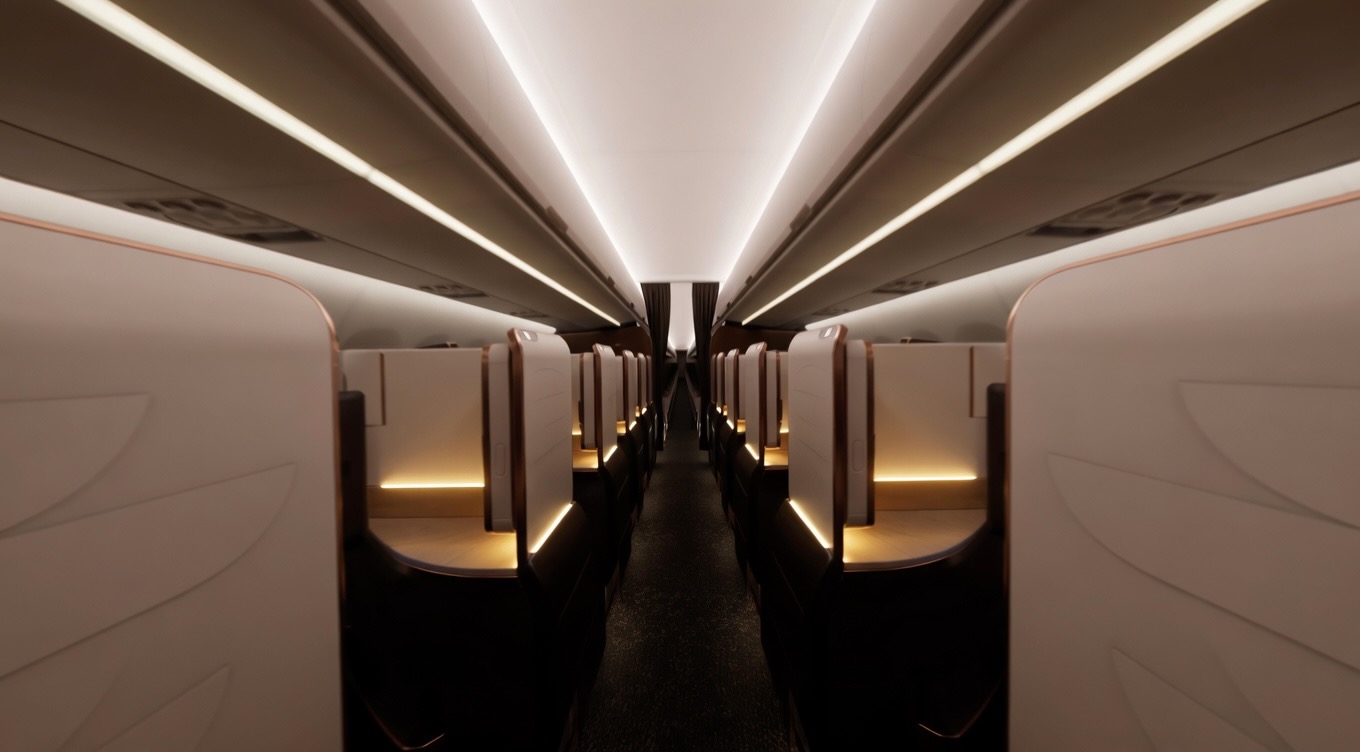
Air Canada has rolled out a stripped-down business class tier, joining carriers like United Airlines and British Airways in dismantling the all-inclusive premium cabin model. The new Business Class Basic fares retain the larger seats and enhanced onboard service but eliminate key perks that once defined premium travel.
Passengers booking Business Class Basic lose seat selection flexibility and now face change fees. Ground amenities traditionally bundled with business class tickets also disappear. Air Canada simultaneously introduced Premium Economy Basic with comparable restrictions, targeting cost-conscious travelers willing to sacrifice flexibility for cabin comfort.
This unbundling strategy reflects an industry-wide shift toward à la carte pricing. Airlines extract additional revenue by separating cabin amenities from base fares. Competitors like United and British Airways implemented similar tiered structures, though Air Canada's version appears less restrictive than some rivals. The Canadian carrier preserves the core business class experience: lie-flat beds on long-haul routes, enhanced meals, and premium beverages remain intact.
For business travelers, the trade-off depends on booking patterns. Frequent flyers with changeable itineraries will pay more to access full business class fares. Those booking fixed trips around confirmed schedules find value in the basic tier. Corporate travel managers must recalibrate budgets. A business class basic ticket costs less upfront but adds fees for seat changes and modifications, potentially negating savings for unpredictable schedules.
The trend signals the premium cabin's commodification. Legacy carriers once protected business class as a profit engine with simple, all-inclusive pricing. Now they segment the market aggressively, recognizing that some premium passengers prioritize seat size over flexibility. Economy passengers upgrading to premium economy get near-business comfort without the price tag.
Air Canada's move pressures other North American carriers to respond. Passengers shopping business class fares must now distinguish between full-service and basic versions, complicating