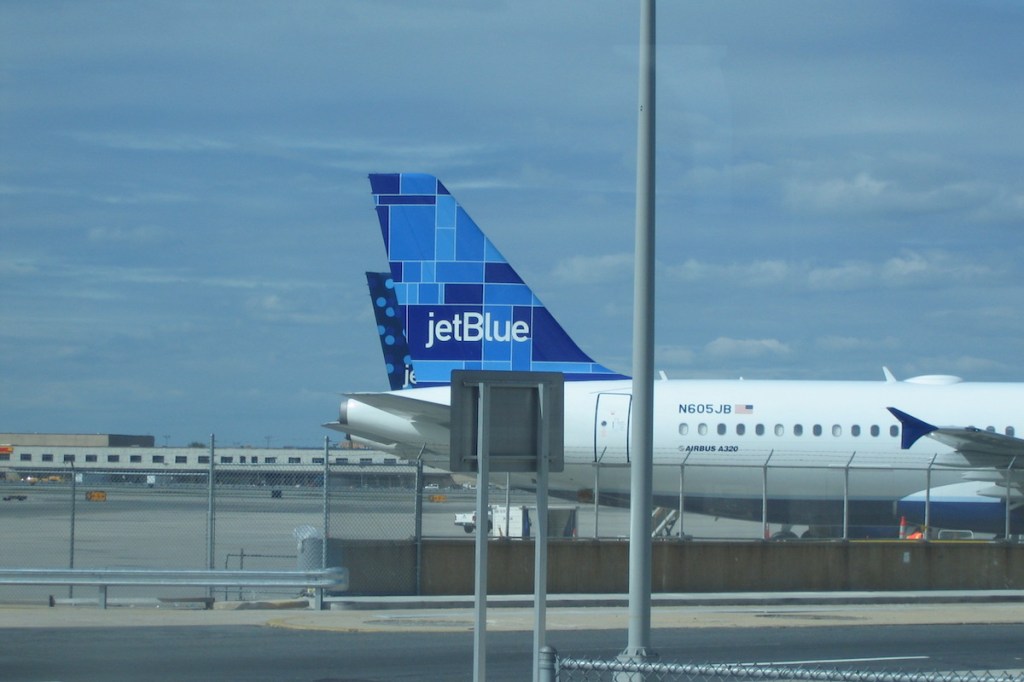
JetBlue Airways continues bleeding cash, but Wall Street remains convinced the carrier's turnaround strategy will work. The airline reaffirmed its full-year outlook despite ongoing losses, signaling confidence in its restructuring plan.
The New York-based carrier has shifted focus toward a higher-margin revenue model. Domestic first class expansion forms the cornerstone of this strategy. By offering premium cabin experiences on routes where competitors lack robust first-class products, JetBlue aims to capture price-sensitive business travelers willing to pay for comfort on shorter flights.
Analysts and investors show patience with the carrier's trajectory, even as quarterly results remain in the red. The airline's cost-cutting measures, including aircraft retirements and route optimization, reduce burn rate while the first-class push generates incremental revenue. JetBlue operates around 280 daily flights across North America and the Caribbean, giving it ample opportunity to retrofit cabins across its Airbus fleet.
The carrier faces headwinds from industry-wide fuel costs and labor expenses following recent pilot contract negotiations. However, JetBlue's focus on leisure-heavy routes and expanding Caribbean operations provide some insulation from cyclical downturns. The airline serves destinations like Barbados, Jamaica, and Aruba, where demand remains resilient.
Investors interpret JetBlue's maintained guidance as evidence that management sees a clear path to profitability within the forecast period. The airline's first-class strategy differs markedly from competitors like Southwest Airlines, which avoids premium cabins entirely, and Spirit Airlines, which operates a bare-bones model.
For travelers, JetBlue's push upmarket means expanded first-class availability on transcontinental and long-regional flights. Fares for premium seats remain competitive against legacy carriers like American and United. Leisure passengers booking economy continue finding competitive base fares, though ancillary fees