American Airlines is securing $1.325 billion in debt financing against its aircraft fleet, a move that exposes the carrier's strategic pivot toward premium capacity and long-haul efficiency.
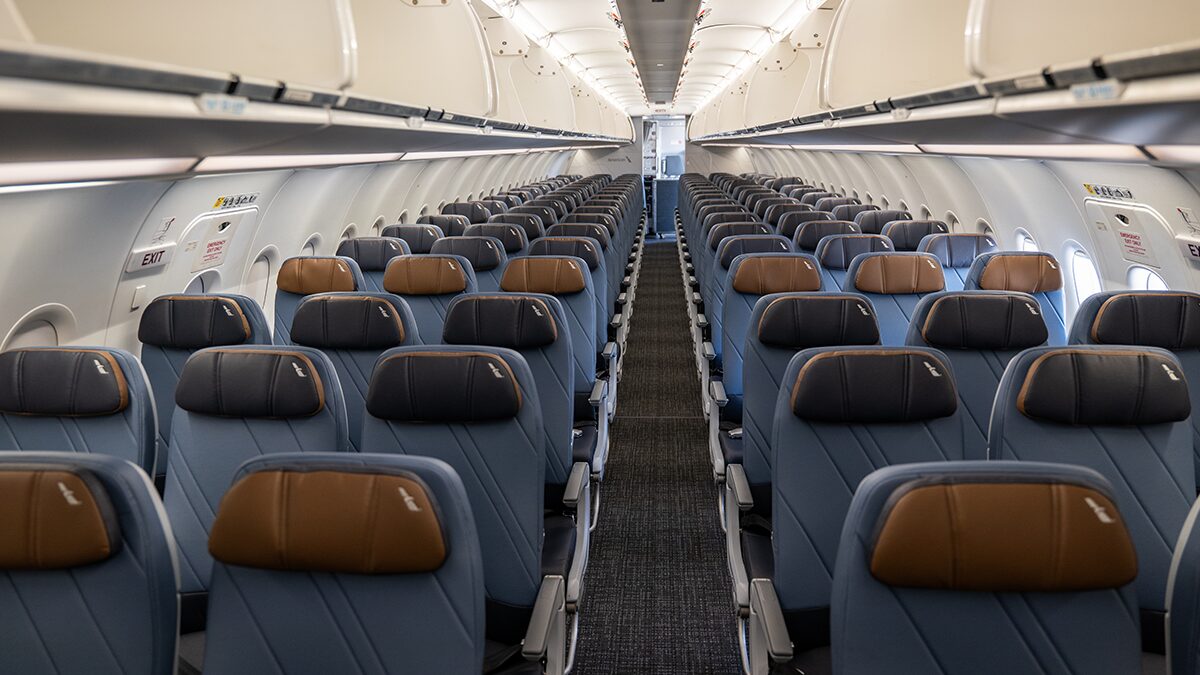
The Dallas-based airline plans to borrow against both new deliveries and existing jets, funding a fleet modernization that prioritizes the Airbus A321XLR. This long-range, single-aisle aircraft allows American to operate transatlantic routes with lower seat counts and higher profit margins. The carrier is also retrofitting widebody jets with premium-focused cabin layouts, reducing economy seats in favor of business and premium economy.
American intends to introduce dual-class regional jets, moving away from the all-economy turboprops and regional jets that typically feed hub traffic. This shift reflects industry trends toward higher-yielding regional operations. Simultaneously, the airline plans to extend the operational lifespan of existing Airbus A321s into the 2030s and 2040s, maximizing returns on already-depreciated assets while newer aircraft mature.
The financing strategy reveals how legacy carriers respond to post-pandemic demand patterns. Leisure and premium leisure travel has outpaced business class recovery, pushing airlines toward aircraft that can profitably serve leisure-heavy routes. The A321XLR allows American to open thin routes to Europe without deploying larger, less fuel-efficient widebodies.
This fleet composition addresses two challenges facing American and peers like United and Delta. First, regional aircraft shortages and supply chain delays mean carriers must stretch existing regional fleet lifecycles. Second, ultra-long-range single-aisles reduce operating costs on international routes by roughly 30 percent compared to widebodies, a critical advantage as fuel remains volatile.
For travelers, American's strategy signals more premium seating on domestic routes, potentially limiting economy availability and pushing fares higher. The A321XLR deployment also means