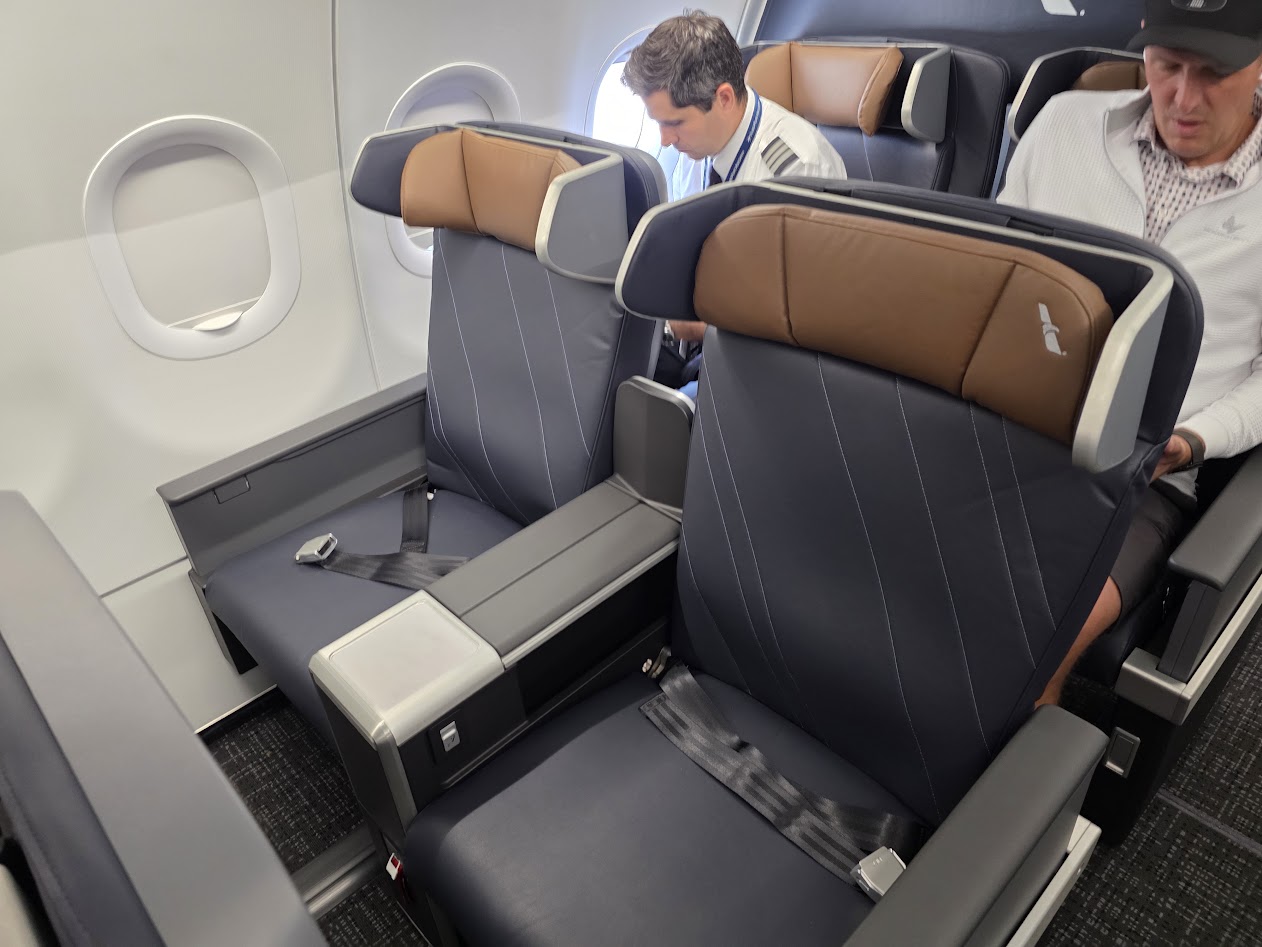
A weather disruption combined with American Airlines' computer systems failure forced one traveler to navigate multiple cancellations from Dallas-Fort Worth. The passenger leveraged several strategies to reach their destination while maximizing frequent flyer benefits.
The cascade began when weather grounded flights at DFW, followed by American's systems outage that left the airline unable to rebook passengers through normal channels. This created a window where proactive travelers could secure alternative routing before the airline's system came back online and automated the rebooking process.
The traveler's approach involved acting during the chaos. By contacting American Airlines before the airline formally acknowledged the full scope of the failure, they negotiated a manual booking onto another carrier's flight. This early intervention proved crucial because once American's computers recovered, the rebooking system would have automatically placed them on lower-priority flights with longer waits.
The passenger also retained their original American Airlines booking until confirming the alternate flight was actually operational. This tactic preserved their position in American's system while securing backup routing. When the primary flight ultimately departed, they held both reservations, allowing them to collect miles from their original booking despite flying on a competitor's aircraft.
The strategy reflects how travelers can exploit the gaps between when disruptions occur and when airlines' systems regain full functionality. During computer outages, manual intervention by gate agents and customer service representatives often provides more flexibility than automated systems. Frequent flyer members benefit from having dedicated phone lines and elite customer service access during these windows.
The outcome included not only reaching their destination but also retaining the miles from the original American Airlines flight they never boarded. This demonstrates how travelers can turn catastrophic disruptions into advantage through timing, relationship management, and system knowledge. Understanding which agents have rebooking authority and acting before official acknowledgment of system failures transforms travel disasters into manageable situations.
For frequent flyers at major hubs like Dallas-Fort Worth