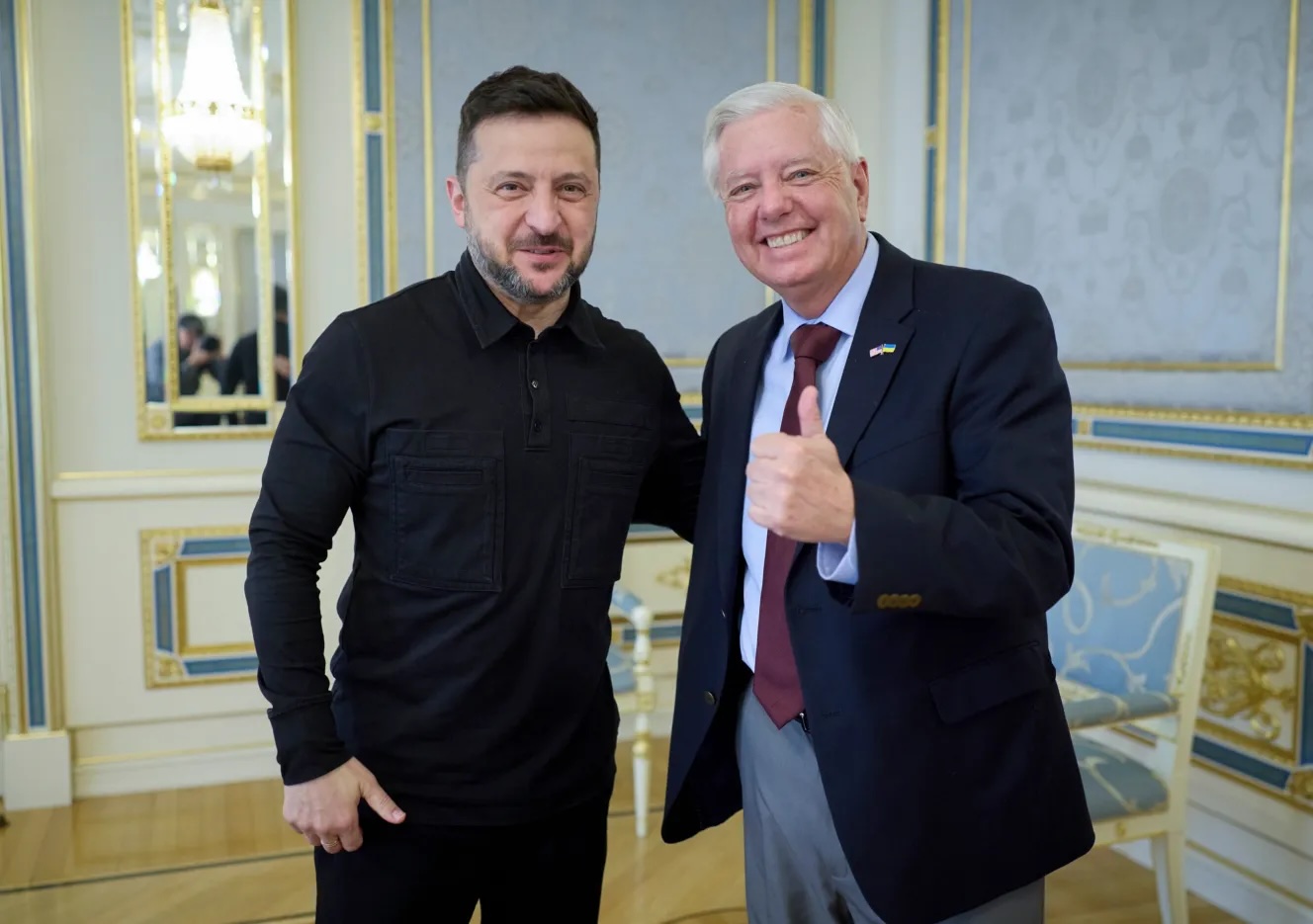
# Senator Lindsey Graham's Global Travels Shape Foreign Policy Vision
Senator Lindsey Graham built a career on firsthand observation, traveling extensively across conflict zones and allied nations to inform his influential role in American foreign policy. His approach reflects a philosophy that elected leaders must witness global realities directly rather than rely solely on briefings and reports.
Graham's travels took him to Afghanistan, Iraq, Syria, Ukraine, and numerous other strategic regions where he conducted on-the-ground assessments of military operations and political situations. These journeys shaped his hawkish stance on defense spending and military intervention, distinguishing him as one of the Senate's most vocal foreign policy voices.
His commitment to experiential diplomacy challenged the conventional Washington practice of remote decision-making. By visiting conflict zones personally, Graham engaged with military commanders, government officials, and local populations. These encounters directly influenced his legislative priorities and public statements on America's global role.
This travel-intensive approach carries lessons for how leaders gather intelligence and form policy. Graham demonstrated that boots-on-the-ground perspectives differ markedly from intelligence briefings. His visits produced strong convictions about American military commitments and alliances, particularly regarding NATO, Eastern Europe, and the Middle East.
For travelers interested in understanding how global politics unfold, Graham's model illustrates the value of seeing destinations beyond their tourism appeal. Visiting conflict-affected regions, emerging democracies, and strategic allies provides context unavailable in news reports. Organizations like the State Department, International Crisis Group, and military-focused tour operators now facilitate similar educational trips for civilians and officials seeking deeper geopolitical understanding.
Graham's legacy includes demonstrating that sustained global engagement shapes clearer policy thinking. Whether one agrees with his conclusions or not, his willingness to travel persistently set him apart from peers who governed from Washington offices. His death prompted reflection on how personal observation influences leadership decisions, suggesting that world travel remains one of