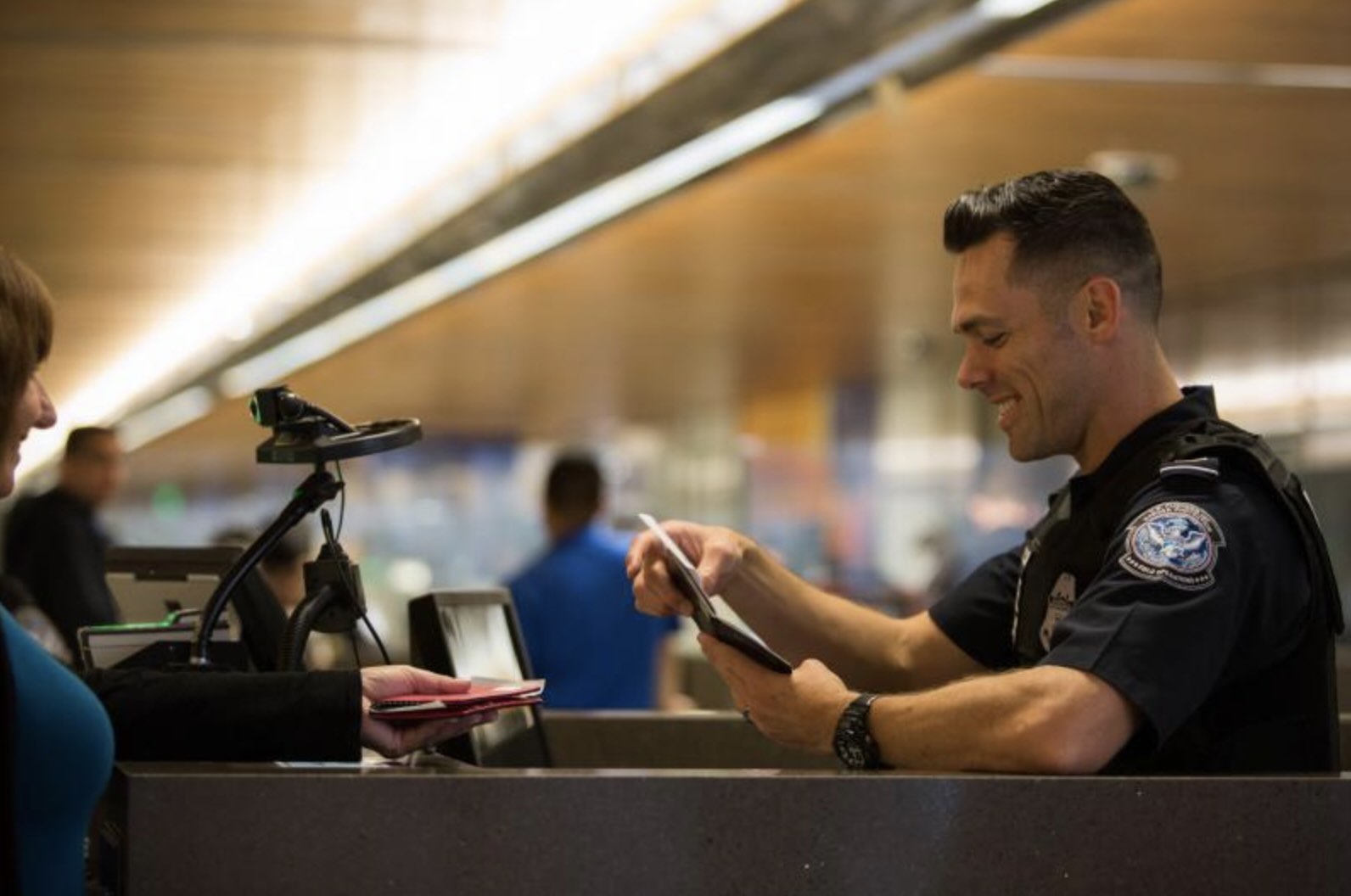
A U.S. citizen traveling through Hartsfield-Jackson Atlanta International Airport now faces up to five years in prison after allegedly providing U.S. Customs and Border Protection officers with a "duress passcode" that erased his Android phone instead of unlocking it. Federal prosecutors charged the traveler with obstruction of justice, transforming a privacy protection attempt into a potential felony.
The incident raises urgent questions for international travelers navigating border security protocols. CBP officers routinely demand access to phones and laptops at ports of entry, searching for contraband, illegal content, or security threats. Many travelers use duress passcodes, a feature available on certain Android devices that triggers a factory reset rather than opening the phone when activated. The traveler's decision to employ this feature now carries serious legal consequences.
The case exposes the tension between personal digital privacy and government border authority. Travelers cannot refuse searches at the border without legal repercussions, yet taking active steps to prevent searches through device destruction now appears to constitute a federal crime. This creates a new legal liability for travelers who assumed duress passcodes offered protection without criminal risk.
Border searches of electronics have expanded dramatically over the past decade. CBP conducts approximately 20,000 device searches annually at U.S. ports of entry. Travelers increasingly face demands to unlock phones, provide passwords, or surrender devices for forensic examination. Privacy advocates argue this violates Fourth Amendment protections, while CBP maintains these searches protect national security.
The Atlanta case sets a potentially chilling precedent for travelers seeking digital privacy protection. Using technical measures to prevent searches, even passively through device features, now carries criminal prosecution risk. Travelers must choose between surrendering complete phone access at the border or facing felony obstruction charges.
Legal experts remain divided on whether destroying device data constitutes illegal obstruction. The traveler's defense may argue he exerc