# From the Andes to the Amazon: A Six-Week Riverboat Adventure to Belém
Belém, Brazil's port city at the mouth of the Amazon, ranks as one of the world's most biodiverse gateways. The city recently hosted COP30, the UN climate conference, putting a spotlight on the region's ecological fragility and tourism potential.
A six-week riverboat journey from the Andes down to Belém reveals the Amazon's complexity. Travelers navigate through Peru and Brazil, witnessing the transition from mountain streams to the world's largest river system. This expedition-style travel appeals to adventurers willing to spend weeks on the water rather than rushing through standard Amazon lodge stays.
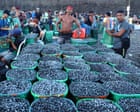
Belém itself presents a paradox. The city's open-air markets overflow with exotic fruits most travelers never encounter. Bacuri, buriti, muruci, mangaba, tucumã, and uxi juices dominate vendor stalls, each with distinct flavors rooted in regional biodiversity. The fruit selection alone tells the story of Amazon abundance. Yet this same abundance faces pressure from agriculture, logging, and climate change.
The riverboat journey addresses growing questions about sustainable Amazon tourism. Unlike traditional lodge-based experiences that concentrate impact in specific areas, extended river voyages distribute travelers across vast distances. Multi-week journeys cost considerably more than week-long lodge packages, typically ranging from $3,000 to $8,000 depending on accommodation quality and operator credentials.
Operators like Aqua Expeditions and Heritage Expeditions offer guided Amazon river cruises with naturalist-led excursions. These vessels carry 40 to 100 passengers, balancing comfort with environmental consciousness. Travelers encounter Indigenous communities, spot pink river dolphins, and witness deforestation's reality firsthand.
COP30's Belém venue undersc