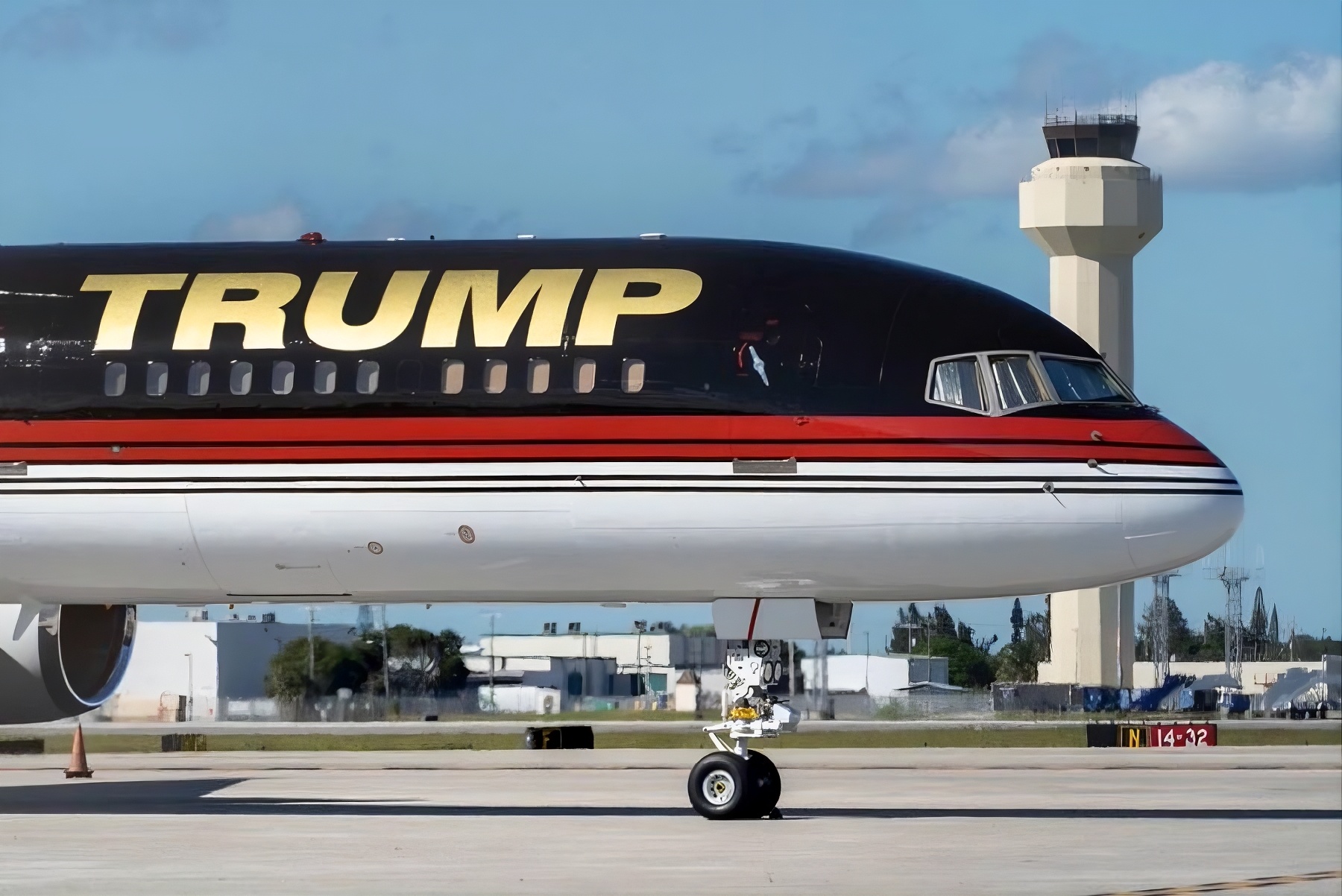
The Federal Aviation Administration established a permanent no-fly zone over Trump Tower in New York City, extending roughly one nautical mile around the building and reaching altitudes up to 1,000 feet. Aircraft operators require explicit Secret Service authorization before entering this airspace.
The restriction marks a significant shift in how the FAA manages airspace around private property. While temporary flight restrictions around presidential residences and protected sites are standard practice, codifying a permanent prohibition over a commercial building sets a new precedent.
The decision raises questions about how long such restrictions remain in effect. The FAA's language suggests the no-fly zone continues indefinitely, potentially persisting even after Trump leaves office. This creates a lasting federal privilege protecting private commercial real estate from aviation use, something historically reserved for national security sites like the White House, military installations, and critical infrastructure.
Current airspace regulations around protected sites typically expire when the threat level changes or a president's term ends. The Trump Tower restriction differs by establishing permanence without built-in sunset provisions. The Secret Service must approve all flights within the zone, adding an additional layer of administrative control beyond normal FAA oversight.
New York City pilots and operators now navigate around this protected airspace along with existing restrictions near LaGuardia, Newark, and JFK airports. The zone creates practical challenges for helicopter tours, small aircraft operations, and emergency services planning routes through Manhattan airspace.
The precedent extends beyond Trump Tower. Similar permanent restrictions could theoretically apply to other locations receiving high-level security protections, fundamentally altering how the FAA manages airspace in major cities. This raises concerns about whether private property owners can secure permanent aviation restrictions through executive authority.
Aviation advocates and pilots' groups monitor whether this becomes standard practice for VIP residences nationwide, which could fragment airspace management and create compliance challenges across the country.