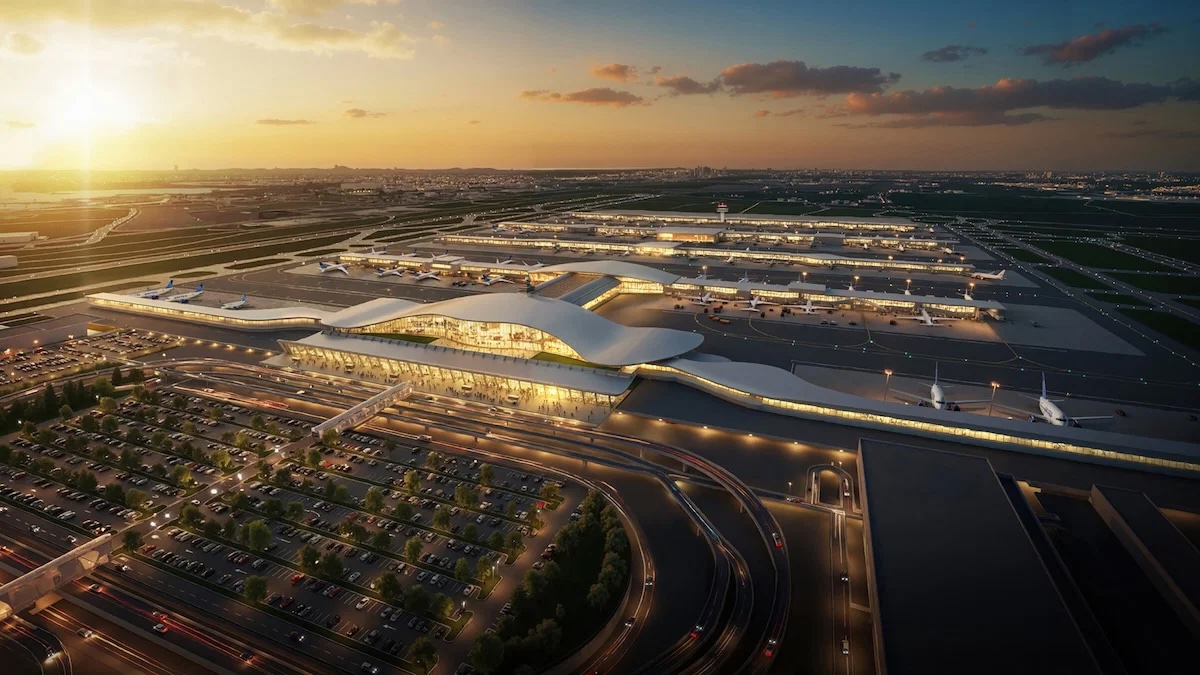
Washington Dulles International Airport faces a radical redesign. Trump announced a $22.5 billion overhaul that will demolish the airport's most distinctive feature: the iconic mobile lounges, nicknamed "Moon Buggies," that have transported passengers since 1962.
The renovation targets the airport's aging infrastructure. New concourses will replace outdated terminals. The AeroTrain, the automated people mover connecting the main terminal to concourses, gets expanded. Parking relocates closer to terminal buildings, cutting walking distances for travelers. These changes address decades of deferred maintenance and capacity constraints.
The mobile lounges exit represents the end of an era. These unique vehicles, resembling spacecraft on wheels, became synonymous with Dulles. Designed by airport engineer Minoru Yamasaki, the lounges were engineering marvels for their time, moving passengers from the terminal to remote gates across sprawling tarmac. They became Instagram-famous in recent years as travelers appreciated their retro-futuristic design.
The project underscores broader airport modernization trends. Major U.S. hubs including Denver International, Atlanta Hartsfield-Jackson, and Dallas Fort Worth have all launched multibillion-dollar expansions. These projects reflect surging post-pandemic travel demand and the need to compete for both passengers and airlines.
For travelers, the implications arrive in phases. Near-term construction will create congestion and disruption. The expanded AeroTrain promises faster connections. Modern concourses should reduce gate-hold times and improve amenities. Closer parking saves time for rental car users and personal vehicle drop-offs.
The $22.5 billion price tag places this project among America's costliest airport renovations. Funding sources remain unclear. Major airport overhauls typically blend federal grants, bonds backed by airport revenues, and terminal concessions.