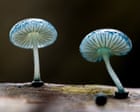
Tasmania's Tarkine rainforest, the largest cool temperate rainforest in Australia, offers travellers something far beyond typical wilderness tourism. A three-day mycological workshop reveals the region's hidden ecosystem centered on fungi, organisms older than both animals and plants.
The Tarkine, also called Takayna, spans north-west Tasmania as one of Australia's last true wilderness areas. Gondwanan rainforest dominates the landscape, with 2,000-year-old Huon pines creating cathedral-like canopies. Giant freshwater crayfish reach nearly a metre long in shaded streams. Local folklore hints that thylacines, extinct elsewhere for decades, might still inhabit this remote terrain.
Fungi tours operate at the intersection of nature tourism and education. Mycologists lead small groups through the forest floor, identifying species that predate most visible wildlife by millions of years. This niche travel experience appeals to naturalists, photographers, and curious travellers seeking deeper engagement with ecosystems rather than surface-level sightseeing.
The Tarkine's accessibility remains limited, preserving its wilderness character. The rainforest's 65-million-year history supports biological diversity rarely encountered in commercialized destinations. Guided workshops focus on fungal identification, ecological roles, and conservation challenges facing temperate rainforests globally.
Travel costs for such specialized tours typically range higher than general rainforest walks, reflecting expert guide fees and small group sizes that protect the landscape. Tasmanian operators base multi-day packages in nearby towns like Stanley or Smithton, with accommodation ranging from eco-lodges to camping.
For travellers seeking authentic wilderness experiences in Australia, the Tarkine fungal workshops offer profound alternatives to mainstream destinations. Rather than ticking off famous sights, visitors develop genuine ecological literacy. They learn to appreciate organisms most overlooked