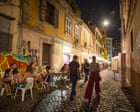
Rome's San Lorenzo neighborhood offers travelers exhausted by central Rome's crushing crowds an authentic alternative. The quarter lies northeast of the historic center, accessible by Metro Line B, and serves as a refuge from the 22.9 million annual visitors overwhelming iconic sites like the Colosseum and Vatican.
San Lorenzo pulses with a distinctly different energy. Murals cover building facades. Street art and graffiti signal creative resistance to Rome's sanitized tourist corridors. The neighborhood remains rooted in working-class identity, shaped by decades of student activism and political movements that defined Italian culture. Students from Sapienza University populate the narrow streets, filling cheap trattorias and neighborhood bars where locals still outnumber visitors.
This is where Romans actually eat. Eateries here charge a fraction of the inflated prices around the Spanish Steps or Trevi Fountain. The rhythm moves slower, less choreographed for cameras. Residents shop at neighborhood markets. Children play in squares without tour groups herding through.
The Vatican Jubilee in 2025 pushed central Rome to breaking point, with arrivals reaching ten times the city's resident population. The pressure continues mounting on iconic neighborhoods, forcing museums to implement timed entries and limiting access to already-cramped streets. San Lorenzo provides strategic breathing room for travelers seeking genuine Rome.
Getting there takes minutes via public transport. Metro Line B connects directly to the centro storico, meaning visitors can sample central attractions without basing themselves in the chaos. Hotels and guesthouses in San Lorenzo charge significantly less than nearby areas. Meals cost half what tourists pay near major monuments.
This northeast quarter represents how Rome actually functions beyond postcards. The neighborhood's resistance to commercialization, its embrace of street art and student culture, and its staunch working-class character create genuine connection impossible in sanitized tourist zones. For travelers planning Rome trips in 2026 and beyond