# The Defiant Walk That Changed Britain
A mass trespass in 1932 transformed how Britons access their countryside. On April 24 of that year, around 400 ramblers marched onto Kinder Scout in the Peak District, a privately owned moorland closed to the public. The protest erupted from frustration with landowners who blocked access to natural spaces, forcing walkers onto narrow footpaths while wealthy estates remained sealed off.
The demonstration proved pivotal. Five protesters faced arrest, but public sympathy overwhelmed authorities. The trespass sparked a national conversation about land rights and recreational access that eventually led to the creation of Britain's national parks system. The first national park, the Peak District, opened in 1951. Others followed, including the Lake District, Snowdonia, and the Scottish Highlands.
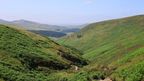
Today, this legacy shapes how travellers explore Britain. The Peak District attracts millions annually. Kinder Scout itself remains a popular hiking destination, now freely accessible via established trails. The moorland's rocky plateaus and gritstone edges draw experienced walkers and casual visitors alike.
The 1932 trespass established a principle that endures: natural landscapes belong in the public realm. Britain's national parks now cover roughly 8% of the country, offering free or low-cost access to stunning terrain. The Pennine Way, a 268-mile trail launched in 1965, runs through the Peak District and showcases the walking infrastructure that the original protesters demanded.
Modern travellers benefit directly from this act of defiance. Hostels, guesthouses, and hotels throughout the Peak District provide affordable accommodation. Local operators offer guided walks, climbing experiences, and photography tours. The transformation from restricted moorland to open countryside demonstrates how activism shapes travel infrastructure.
The trespass remains commemorated annually. Walking clubs retrace the original route