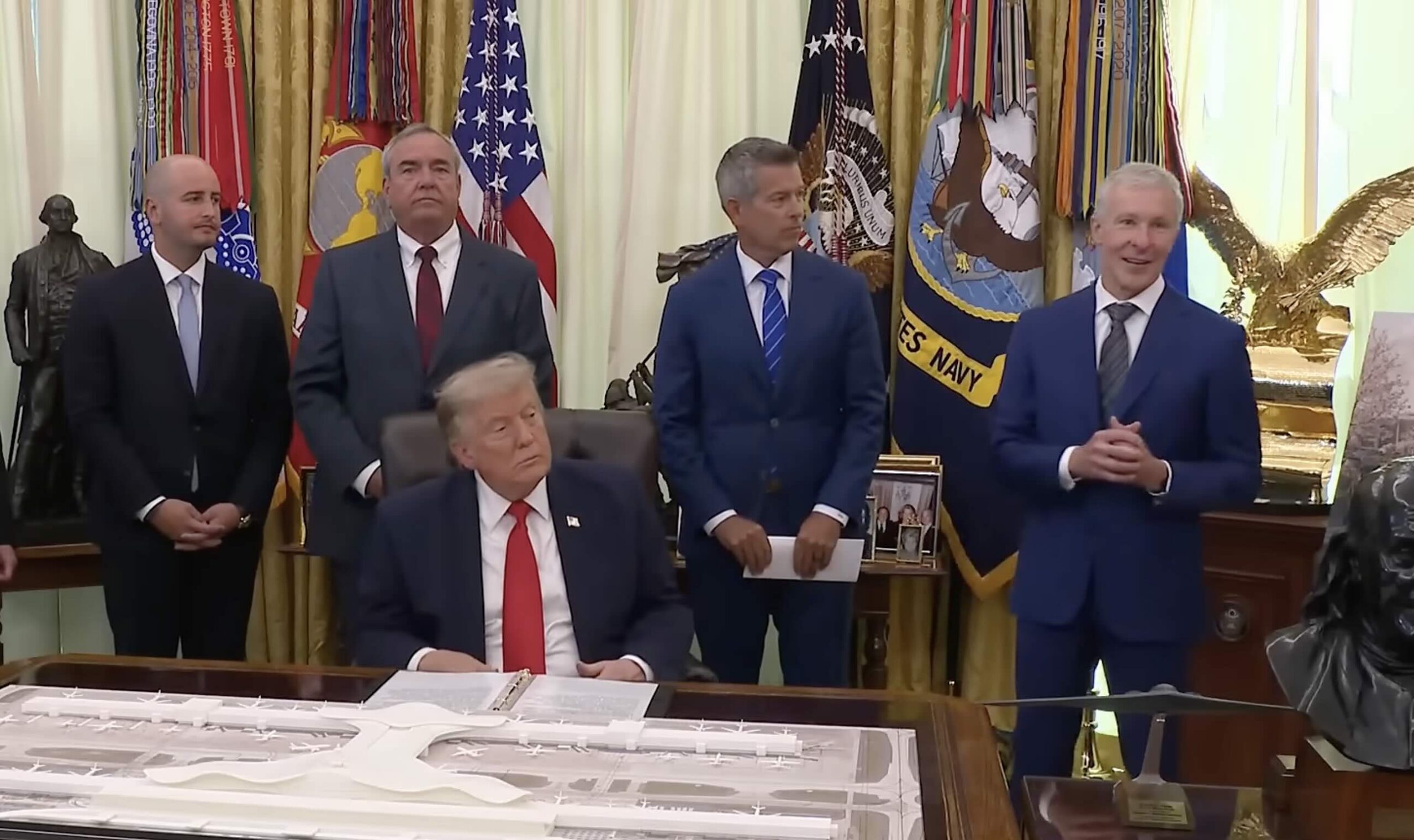
United Airlines CEO Scott Kirby expressed years of pent-up anticipation when he spoke briefly at the White House announcement of a $22.5 billion renovation of Washington Dulles International Airport. His comment, "I've waited my whole career" for this moment, underscores how long the airline has sought terminal improvements at IAD.
The massive overhaul represents one of the largest airport infrastructure projects in the United States. The investment will modernize Dulles' aging facilities, which have long constrained United's operations at the hub. Washington Dulles serves as a critical east coast gateway for United, connecting the nation's capital to domestic and international destinations.
The timing of this announcement comes as major U.S. airports compete for federal infrastructure dollars and private investment. Dulles has lagged behind competitors like Miami International and Atlanta Hartsfield-Jackson in recent terminal upgrades. The renovation project addresses decades of deferred maintenance and positions United to expand its presence at the airport with improved passenger facilities, baggage handling, and operational efficiency.
For travelers connecting through Washington Dulles, the rebuild promises modernized amenities, faster boarding processes, and expanded gate capacity. United passengers will benefit from reduced congestion and improved ground times once construction phases complete.
The investment also signals continued backing for airport infrastructure development. Airport modernization directly impacts flight costs, schedules, and passenger experience across major hubs. Dulles' upgrade could reduce operational delays that ripple through United's network, potentially benefiting fares for leisure and business travelers routing through Washington.
Construction timelines for projects of this scale typically span several years. Passengers using Dulles during renovation should expect phased terminal closures and temporary operational adjustments. United will likely announce specific details about construction phases and passenger impact as planning progresses.
This investment reflects broader industry trends toward hub modernization. Airlines increasingly partner with airport authorities on terminal projects that