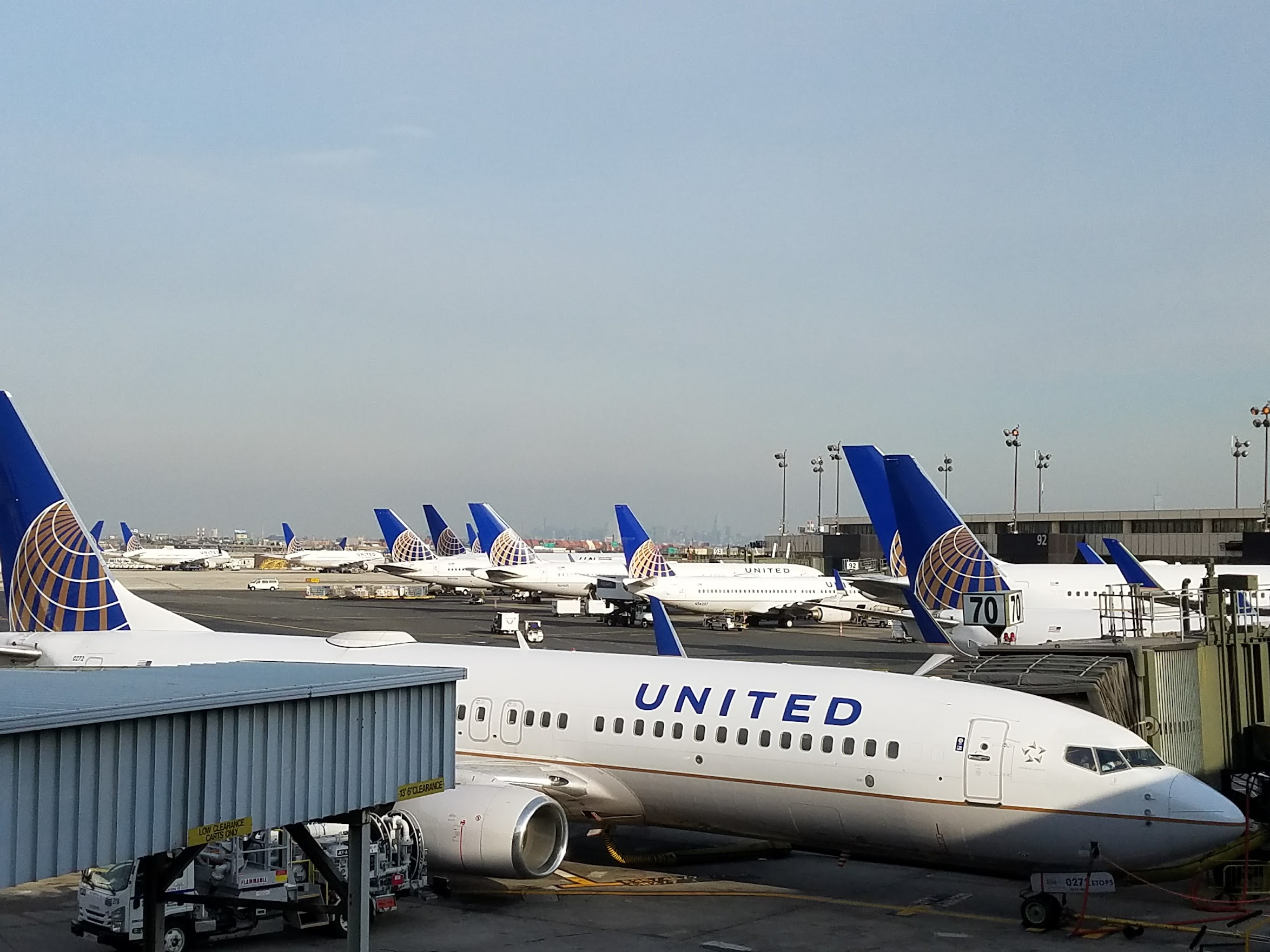
United Airlines CEO Scott Kirby claims only two premium carriers can survive in today's market, yet passenger photographs tell a starkly different story. Images circulating online show broken tray tables, soiled seat covers, and deteriorating Club seating that undermine the airline's premium positioning. These maintenance lapses arrive as United competes aggressively against Delta Air Lines and American Airlines for business and first class revenue.
The timing proves problematic for Kirby's consolidation thesis. United has invested heavily in premium cabin upgrades, including new Polaris business class suites and refreshed first class amenities. However, operational execution remains inconsistent. Passengers paying premium fares expect spotless cabins and functioning fixtures. Instead, some report experiencing worn furnishings and inadequate cleaning between flights.
Meanwhile, competitors advance their premium strategies. Singapore Airlines launched a new first class concierge trial, offering white-glove service for its most elite travelers. The carrier recognizes that luxury travel demands meticulous attention to detail across every touchpoint.
In hotel news, Dallas-Fort Worth International Airport announced plans to acquire the Hyatt Regency property near the terminal, signaling growth in airport hospitality. The move reflects increased business travel and the premium segment's resilience despite economic headwinds.
Loyalty program risks also surfaced this week. Avios holders face potential devaluation of their British Airways and Iberia points, a reminder that frequent flyers must stay vigilant about airline partnerships and redemption values.
For business travelers evaluating premium carriers, United's current cabin condition raises questions about value alignment. Kirby's two-airline theory may prove prescient, but United must first demonstrate that its premium product matches its premium pricing. Cleanliness and maintenance standards form the foundation of luxury travel. Without operational excellence, even the most ambitious seat designs fail to deliver the experience business travelers demand