# Europe's Alpine Hidden Gems: Where Readers Find Summer Magic Beyond the Crowds
Travellers seeking genuine mountain and lake experiences this summer should look beyond the predictable tourist circuits. Readers of the Guardian have identified a constellation of underrated destinations across the Alpine regions of Europe that deliver both adventure and tranquility at reasonable costs.
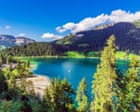
Haldensee emerges as a standout discovery. This crystalline alpine lake sits at the foot of Tannheimer Tal valley in the Austrian Alps, positioned roughly 90 miles southwest of Munich. Visitors report the water remains refreshingly cold even as summer transitions to autumn, making it ideal for hardy swimmers and serious hikers. The appeal lies not in crowded facilities but in raw natural beauty and accessible trail networks that radiate from the lake's shores. Getting there from Munich takes just over two hours by car or train, making it feasible for weekend trips or part of a broader Alpine circuit.
Bavaria's Alpine meadows have long attracted nature enthusiasts, but many overlook the quieter valleys in favour of famous peaks like Zugspitze. The Tannheimer Tal specifically offers extensive hiking options for all fitness levels, from gentle lakeside walks to challenging alpine traverses. Summer conditions typically run from June through September, with July and August providing peak weather stability. Budget-conscious travellers find that Austrian Alpine accommodations cost considerably less than Swiss equivalents while delivering comparable scenery and infrastructure.
Italy's Alpine lakes represent another frontier for discriminating travellers. Pristine water bodies tucked into the Dolomites and Limestone Alps offer swimming, kayaking, and hiking without the development pressures seen at famous Italian lakes like Como or Garda. These destinations appeal to families seeking safe water conditions and to adventure sports enthusiasts pursuing rock climbing, mountaineering, and trail running on established routes.
The Pyrenees add a cultural dimension to mountain travel. Pilgrim routes crossing this Franco-Spanish mountain range offer structured hiking experiences with accommodation and meals arranged. These routes combine physical challenge with historical context, following centuries-old pathways. The infrastructure supports walkers of modest fitness levels, with daily distances typically between 12 and 16 miles. Summer crowds concentrate on the most famous sections, leaving quieter alternatives underutilized.
Travel costs across these destinations remain substantially below Western European capitals. Alpine accommodation ranges from modest guesthouses charging 40 to 70 euros nightly to mid-range hotels at 80 to 120 euros. Food costs in Austrian and Bavarian restaurants undercut Swiss prices by 30 to 40 percent. Train travel between Munich, Salzburg, and Austrian Alpine towns costs significantly less than comparable distances in Switzerland.
Airlines serving these regions include Lufthansa and its subsidiary Eurowings flying into Munich, along with Austrian Airlines serving Salzburg and Innsbruck. Regional trains provide efficient onward connections. Renting cars offers flexibility for exploring multiple valleys but adds costs; public transport proves economical for linear hiking itineraries.
The appeal of these destinations extends beyond economics. Mountain environments with genuine wilderness character remain accessible to ordinary travellers without requiring either extreme fitness or extreme budgets. Lake and alpine meadow ecosystems support extended exploration, rewarding hikers who venture beyond marked trails into lesser-known cirques and passes. Summer weather windows between June and September narrow the season, yet provide ideal conditions for both serious mountaineers and casual walkers seeking extraordinary landscapes that European mountains continue to deliver for those willing to look beyond established resort destinations.