# Sweden's Söderåsen National Park Shows How Damaged Landscapes Can Heal
Söderåsen national park in southern Sweden stands as living proof that heavily damaged forests can recover. Established in 2001, this protected area spans more than 1,600 hectares of broadleaf woodland along a dramatic ridgeline shaped by millennia of geological forces. The park represents one of Europe's largest intact ancient forests, and its story of regeneration offers travelers both inspiration and adventure.
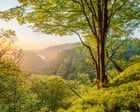
The ridge itself dominates the landscape like a giant green beast stretched across flat farmland. From a distance, the forest appears wild and untouched. Yet beneath that verdant canopy lies a history of industrial logging, agricultural clearing, and human exploitation that nearly destroyed the ecosystem entirely. Park managers and conservation efforts have spent decades restoring what centuries of extraction had devastated. That transformation makes Söderåsen distinctive among European nature reserves.
For travelers, the park delivers serious outdoor credentials. Wild swimming opportunities abound in pristine waters. Hiking trails wind through valleys and climb ridges offering sweeping views across Skåne, Sweden's southernmost region. The trails range from casual woodland walks to demanding full-day treks. Visitors encounter beech forests and oak groves thriving once again after near-total collapse. Birdwatchers spot species returning as habitat expands. The park feels genuinely wild rather than manicured, which accounts for much of its appeal.
Söderåsen sits in southern Sweden near the Scania region, roughly two hours from Copenhagen by train or car. The nearest towns provide basic accommodation and food options. Visitors can access the park through multiple entrance points, with parking areas positioned for both day-trippers and those planning multi-day explorations. The park operates year-round, though summer offers the most comfortable conditions for swimming and extended hiking.
The broader travel trend here reflects growing demand for "regeneration tourism." Travelers increasingly seek destinations demonstrating environmental recovery rather than pristine wilderness untouched by human hands. Söderåsen satisfies that appetite. The park's story resonates with visitors concerned about climate change and ecosystem collapse, offering tangible evidence that restoration works.
The restoration work continues. Park authorities manage the forest actively, removing invasive species, protecting rare plants, and allowing dead wood to remain for wildlife habitat. This active management distinguishes modern conservation from preservation. Visitors witness a living laboratory of ecological restoration, not a museum piece frozen in time.
Budget-conscious travelers find Söderåsen accessible. Day visits cost nothing, though parking fees apply. Nearby villages offer modest accommodation ranging from campsites to small hotels. The region remains far less crowded than Alpine destinations or Mediterranean coastal areas, meaning visitors enjoy solitude on many trails.
Söderåsen appeals to hikers, nature photographers, swimmers, and ecology enthusiasts alike. The park proves that damaged landscapes need not remain damaged forever. That message matters now more than ever. For anyone traveling through Scandinavia, the ridge offers a compelling detour that combines physical adventure with environmental hope.