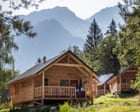
# Europe's Mountain Retreats: 20 Alpine Lodges, Lakeside Cabins, and Forest Hideaways Worth Discovering
Travelers seeking escape from crowded city centers now have curated options across Europe's most serene landscapes. A fresh collection of 20 European mountain, lake, and forest accommodations spans from historic properties to contemporary cabins, offering everything from ultra-luxury to budget-conscious stays.
The lineup includes a 500-year-old inn nestled in Italy's Dolomites, a region renowned for dramatic limestone peaks and world-class hiking. These mountain inns capitalize on proximity to trails, ski runs, and alpine meadows that transform seasonally. The Dolomites consistently attract visitors seeking authentic Italian mountain culture without the crowds of nearby Tuscany.
Finland's lake district emerges as another featured destination, with log cabins offering the Nordic sauna experience and pristine water access. Finnish lake properties appeal to travelers prioritizing hygge-style comfort, hot-spring bathing, and the midnight sun phenomenon during summer months. This region has seen increased interest from international travelers discovering alternatives to Scandinavia's pricier city centers like Oslo and Stockholm.
Forest lodges across the continent provide varying price points and amenities. Budget travelers can opt for camping facilities with basic infrastructure, while mid-range options offer cabin stays with heating and running water. Luxury forest hotels in countries like Switzerland, Austria, and Germany command premium rates, typically €150-300 nightly, reflecting their spa facilities, Michelin-starred restaurants, and exclusive location access.
Timing influences both availability and cost significantly. Summer months (June-August) bring peak pricing and crowded trails across Alpine regions. Shoulder seasons in May and September offer moderate prices with pleasant weather. Winter transforms these properties into ski-access bases, with rates reflecting proximity to major resorts. Spring brings wildflower blooms across mountain meadows, attracting nature photographers and hikers.
Transportation varies by location. Properties in the Austrian or Swiss Alps often sit within driving distance of major cities like Innsbruck, Salzburg, or Zurich. Italian Dolomites properties connect via regional airports in Venice or Bolzano. Finnish lake cabins typically require domestic flights or multi-hour car rentals from Helsinki. Some luxury operators offer helicopter transfers, adding €500-2,000 to booking costs.
Environmental consciousness shapes modern European mountain tourism. Many featured properties emphasize sustainable practices, from renewable energy systems to local sourcing of food and materials. This appeals to affluent travelers increasingly concerned with carbon footprints and ecosystem preservation.
The collection targets diverse traveler profiles. Families benefit from self-catering cabins with kitchen facilities and outdoor play areas. Couples seek romantic properties with fireplaces, outdoor hot tubs, and spa services. Solo travelers and small groups find community-focused camping facilities with shared cooking areas and social programming.
Booking directly through property websites often yields better rates than third-party platforms. Many mountain properties offer multi-night discounts or seasonal promotions. European travel insurance typically covers cancellations, valuable when mountain weather creates unpredictability.
These European properties position themselves against competing luxury resorts in Colorado, Canada, and New Zealand by emphasizing accessibility, cultural immersion, and heritage. A week-long stay in an Alpine cabin costs substantially less than equivalent North American mountain retreats while offering proximity to multiple countries and centuries of established hiking infrastructure.