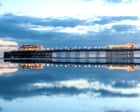
Britain's seaside piers have evolved far beyond their arcade-and-fish-and-chips reputation. Worthing Pier in West Sussex now hosts Ebb, a fine-dining restaurant that opened in May with an art-deco interior positioned 300 metres out to sea. The venue offers bespoke vegan menus featuring seasonal ingredients like Jersey Royal potatoes, asparagus, and strawberries, plus à la carte options such as slow-cooked beef dumplings and butter-poached halibut.
This transformation reflects a broader trend reshaping Britain's coastal attractions. From Blackpool to Bournemouth, classic piers now serve sophisticated diners alongside traditional seaside entertainment. The shift represents a deliberate effort to modernise these Victorian-era structures while preserving their cultural identity.
Worthing Pier's Ebb exemplifies how heritage venues attract affluent travellers seeking unique dining experiences. The restaurant's panoramic views, demonstrated by guests watching starling murmurations while eating, justify premium pricing typical of fine-dining establishments. Its weekly changing menus and bespoke dietary options cater to contemporary dining expectations.
This trend matters for British seaside tourism. Piers historically drew working-class families for budget entertainment. Today's repositioning targets affluent visitors seeking Instagram-worthy moments and gastronomic experiences. Restaurants like Ebb charge significantly more than traditional pier fish-and-chip shops, improving revenue for aging infrastructure while elevating the seaside destination profile.
For travellers planning UK coastal trips, this means piers now justify multi-day stays beyond theme park visits. Budget-conscious visitors still find arcades and casual dining, while culinary tourists discover fine-dining venues with unmatched settings. Regional rail connections make Worthing particularly accessible from London, a one-hour journey from Victoria Station.
The evolution extends beyond dining.