# Rabat: Morocco's Coastal Capital Steps Into the Literary Spotlight
Rabat earned UNESCO's 2025 World Book Capital designation, transforming the Moroccan seaside city into a pilgrimage site for literary travelers this year. The honor places the nation's capital alongside previous winners like Dublin, Delhi, and Buenos Aires, shining a global spotlight on a destination that combines Mediterranean charm with intellectual vitality.
The Moroccan capital sits along the Atlantic coast where the Bouregreg River meets the sea, offering travelers a rare blend of colonial architecture, traditional medinas, and contemporary culture. Rabat's selection reflects both its publishing industry strength and its commitment to literacy programs across the region. For book lovers planning 2025 getaways, the designation opens doors to literary festivals, author readings, and cultural events that won't repeat elsewhere.
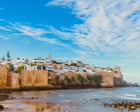
The city's appeal extends far beyond its bookish credentials. Rabat serves as home to the Hassan Tower, an incomplete minaret from the 12th century that anchors the skyline. The Kasbah of the Udayas sits perched above the river mouth, its blue and white streets offering postcard-perfect vistas and authentic riads converted into boutique accommodations. The Mausoleum of Mohammed V stands as one of Morocco's most visited monuments, a white marble masterpiece opened to public viewing.
Travelers typically access Rabat via Marrakech Menara Airport or Casablanca's Mohammed V International Airport, both served by European and international carriers. Direct flights from London, Paris, and major European hubs cost between $200 and $450 depending on season. Rabat's own airport accepts limited international service. A taxi or train from Casablanca takes roughly 90 minutes and costs under $10.
Accommodation ranges from budget hostels around $15 nightly to luxury riads exceeding $300. The newly renovated Sofitel Rabat Jardin & Casino offers five-star service with river views and swimming pools. Mid-range options like Dar Anika and Riad Dar Anika provide authentic medina experiences at $80 to $150 per night.
Food costs remain exceptionally low. Tagine and couscous meals in local restaurants run $5 to $12. Street food like pastilla and harira soup costs under $3. Upmarket dining establishments in New Town charge $25 to $50 per person. A meal from a food cart costs mere dollars, making Rabat one of North Africa's most affordable culinary destinations.
The World Book Capital program brings year-round literary programming. Rabat's National Library hosts exhibitions celebrating Moroccan authors and international literature. Bookstores throughout the Ville Nouvelle district showcase local publications alongside translations. The city's literary cafes offer spaces where visitors can read Moroccan literature while sipping mint tea.
Rabat rewards travelers who spend three to four days exploring thoroughly. Visitors typically allocate time for the medina's souks, the Archeological Museum's Roman artifacts, and day trips to nearby Fes or Casablanca. The temperate Atlantic coast provides pleasant weather year-round, though April through May and September through October offer the most comfortable conditions.
The UNESCO designation drives tourism growth, but Rabat remains less crowded than Marrakech or Fes. Direct flights from major European cities make it increasingly accessible. For readers seeking literary pilgrimage combined with authentic Moroccan culture and coastal beauty at reasonable prices, 2025 presents a singular opportunity.