Britain and Ireland's river corridors deliver rewarding walking, cycling, and boating experiences across stunning landscapes. Readers of the Guardian highlight diverse waterway adventures that balance accessibility with natural beauty.
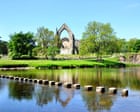
The River Wharfe in Yorkshire ranks among top choices. A six-mile walk from Ilkley to Bolton Abbey showcases the Yorkshire Dales, departing from Ilkley's Riverside Gardens. This route combines gentle riverside paths with panoramic moorland views, making it ideal for day-trippers seeking straightforward terrain without technical difficulty.
Beyond Yorkshire, the Tees offers northeastern options, while Irish travelers embrace the Shannon for longer explorations. These river systems support multiple travel modes. Walkers access towpaths and riverside trails requiring minimal equipment. Cyclists tackle dedicated cycleway networks following water courses for miles without road traffic. Boaters navigate navigable stretches via kayaks, canoes, or leisure cruises through locks and weirs.
The appeal spans seasons and skill levels. Summer water levels support active paddling, though current drought conditions reduce some opportunities. Spring and autumn attract walkers escaping summer crowds. Winter reveals stripped-back landscapes along lesser-known stretches.
River tourism requires planning. Check water levels and access points before departure. Many routes operate under conservation restrictions protecting wildlife habitats. Local tourism boards provide updated trail conditions and seasonal closures.
Budget considerations vary. Riverside walking costs nothing beyond parking, typically £3-5 for day-use facilities. Bike rentals near major trailheads average £15-25 daily. Boat hire ranges from £40 for kayak rentals to £80-150 for guided canoe trips. Commercial river cruises cost £25-60 per person.
Accommodation clusters near popular launch points. Budget guesthouses near Ilkley run £60-90 nightly. Mid-range riverside