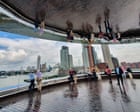
Rotterdam's Katendrecht peninsula has undergone a dramatic transformation from notorious red-light district to one of the Netherlands' most compelling cultural destinations. The historic waterfront quarter, which once thrived as continental Europe's first Chinatown and a bustling sailors' enclave during the port's golden age, now attracts visitors seeking authentic urban regeneration stories and innovative cultural spaces.
The revival centers on the conversion of historic warehouse buildings that dominated the landscape when Katendrecht was integral to Rotterdam's identity as the world's busiest port. These sturdy brick structures, which survived the city's devastating World War II bombing, have been painstakingly adapted into galleries, studios, restaurants, and performance venues. This approach mirrors successful waterfront redevelopments elsewhere in Europe, from London's Shoreditch to Berlin's Friedrichshain, but Katendrecht's transformation feels distinctly Dutch in its pragmatism and respect for industrial heritage.
The location makes Katendrecht uniquely accessible for visitors to Rotterdam. Situated just south of the city center on its own narrow peninsula, the quarter lies within easy walking distance of Rotterdam Centraal Station, where travelers arriving from Amsterdam, The Hague, or other Dutch cities can connect via frequent NS rail services. International visitors typically arrive at Rotterdam Airport, about nine kilometers north, with regular trains and shuttle services delivering them to the city center in roughly twenty minutes.
The neighborhood's rebirth reflects broader Dutch urban planning philosophy. Rather than wholesale demolition, Rotterdam's city planners opted for adaptive reuse. Warehouses now house contemporary art institutions, craft breweries, and independent restaurants serving everything from Vietnamese fusion cuisine to traditional Dutch herrings. Gallery spaces showcase emerging artists alongside established names, while outdoor seating areas along the waterfront invite leisurely afternoons watching tugboats and container ships navigate the Maas River.
Accommodation options in and around Katendrecht range from luxury waterfront hotels like the Mainport Design Hotel to budget-friendly hostels scattered through Rotterdam's center. Many visitors stay in the Blaaktoren area or near Centraal Station, both within quick tram rides of Katendrecht.
The regeneration matters for travelers planning visits to the Netherlands because it represents the kind of off-the-beaten-path urban experience increasingly sought by culturally conscious visitors. While Amsterdam dominates Dutch tourism, Rotterdam offers grittier authenticity. Katendrecht specifically delivers the rare combination of gritty port-city atmosphere with genuine creative energy, without the commercialization that has overtaken many European city-quarter revivals.
The weather in Rotterdam runs cool and changeable year-round, so visitors should pack layers. Spring and early autumn offer the most pleasant conditions. The area has become particularly popular with photography enthusiasts drawn to its industrial aesthetics and with design-minded travelers interested in how cities reclaim abandoned spaces.