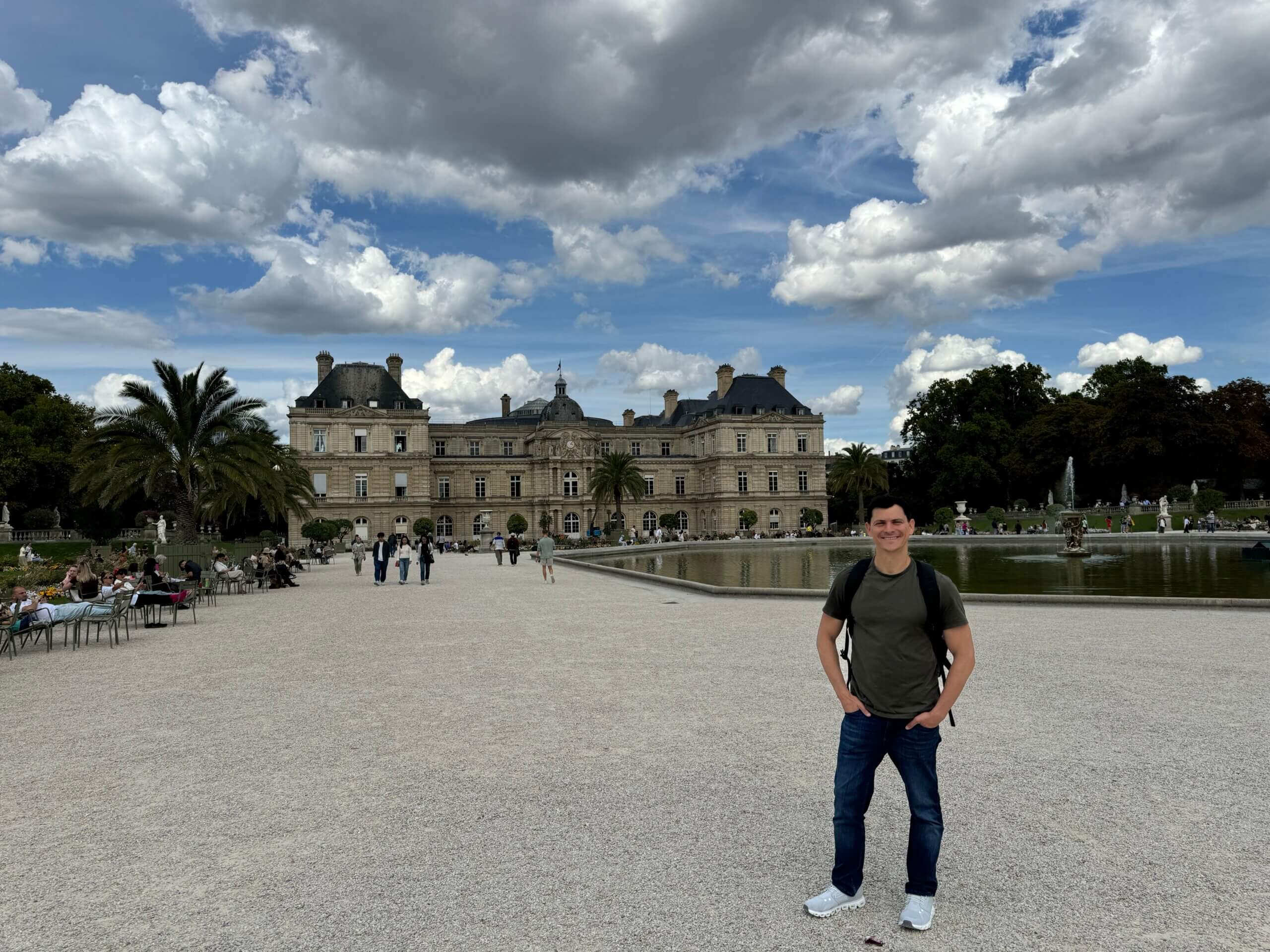
A traveler shares their personal journey securing a French visa after falling in love with the country during a 2010 trip to Bordeaux. The story begins with that formative visit, when friends from Thailand introduced them to French wine, cuisine, and culture. That initial experience sparked a long-term passion that eventually led to pursuing residency or an extended visa.
France attracts thousands of travelers annually seeking to extend their stays beyond standard tourist visas. The Schengen visa framework allows US citizens, Australians, Canadians, and other nationalities 90 days visa-free within a 180-day period. For longer stays, options include the long-stay visitor visa, student visas, or work permits. The process varies significantly based on nationality and purpose.
Many travelers follow similar paths. Romance, career opportunities, or a desire for slower travel often motivate the transition from tourist to resident. Bordeaux remains a popular gateway for American travelers, offering affordable wine tastings, manageable crowds compared to Paris, and access to Dordogne wine country.
The visa application typically requires proof of funds, accommodation, health insurance, and sometimes employment or study enrollment. Processing times range from several weeks to months through French consulates. Major hubs like the French Consulate in San Francisco, New York, and Houston handle high volumes of applications from North America.
Digital nomads and remote workers increasingly pursue French visas. The country lacks an official digital nomad visa like Portugal or Spain, but long-stay visitor visas accommodate remote work if you meet financial requirements. As of 2024, expect application fees around 100 euros and proof of roughly 1,100 euros monthly income.
Bordeaux offers lower living costs than Paris. Monthly rent for a one-bedroom apartment runs 600-800 euros, with excellent public transit and walkable neighborhoods. The region's wine tourism infrastructure makes