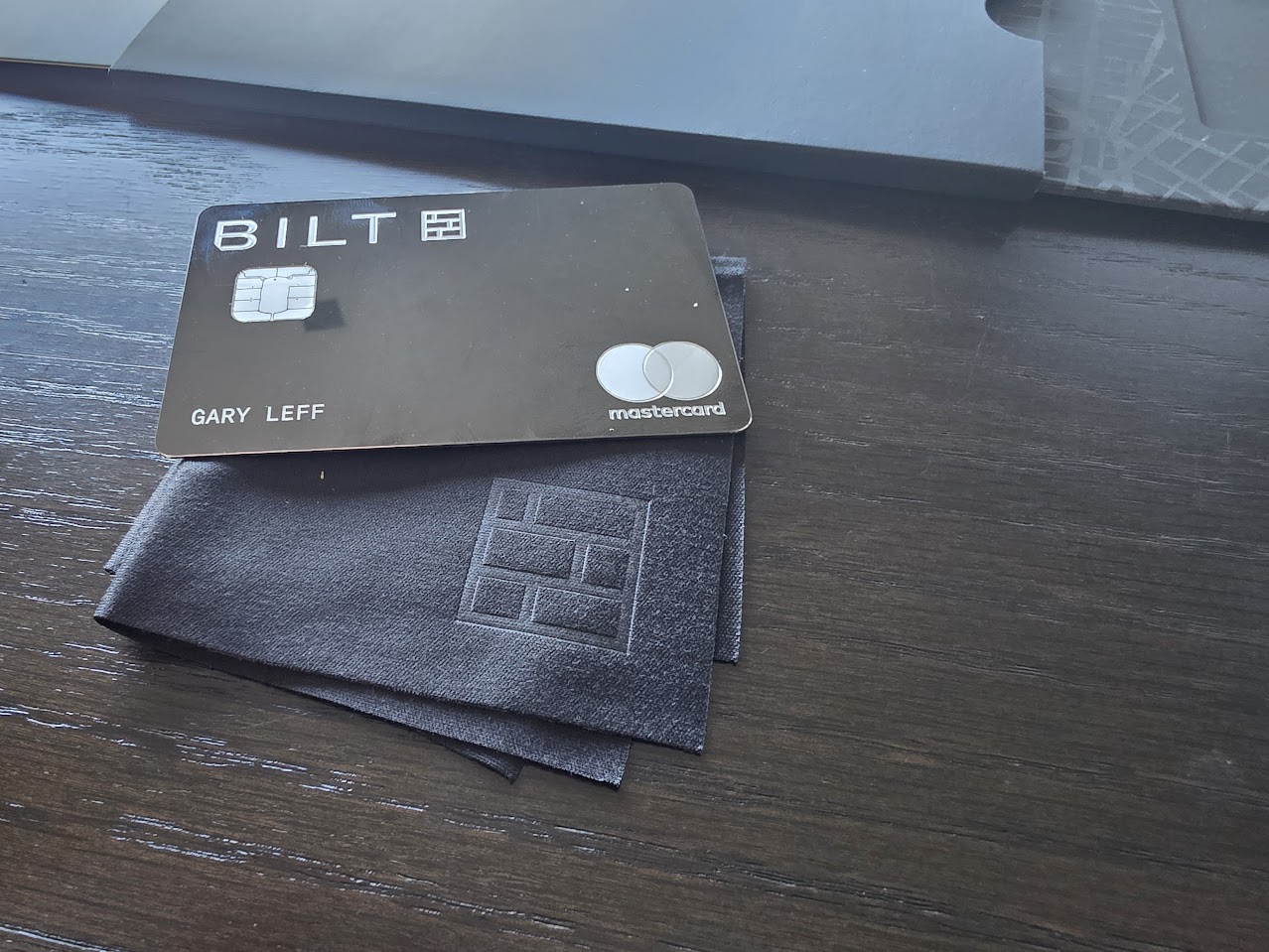
A travel rewards veteran manages 26 credit cards but carries only seven in their wallet. This strategy separates cards into three categories: those acquired purely for sign-up bonuses, cards kept for annual perks like lounge access, and cards that earn rewards on regular spending.
The traveler maintains dedicated cards for distinct spending categories. One handles Hyatt hotel stays, another covers airfare purchases, a third focuses on dining rewards, one optimizes grocery spending, and another captures general travel rewards. Two additional cards provide lounge access benefits and everyday spending flexibility.
This approach reflects how serious travel rewards players optimize their benefits. Rather than spreading spending across multiple cards, concentrating purchases on the highest-earning card for each category maximizes points accumulation. Meanwhile, cards with valuable annual perks like airline lounge access justify their annual fees even if they rarely see spending.
The drawer strategy works because sign-up bonuses often provide more value than ongoing rewards rates. A card offering 100,000 bonus points after spending $5,000 in three months delivers more points than months of casual spending. Once the bonus clears, these cards go into the drawer, waiting for future rotations if annual fees aren't worth keeping.
Travel rewards programs have become increasingly complex. American Express, Chase, Capital One, and Discover all offer cards optimized for different spending patterns. Premium cards like American Express Platinum charge $695 annually but offer $200 airline incidental credits, lounge access, and concierge services that justify the cost for frequent travelers.
For most travelers, this level of card management seems excessive. Carrying seven active cards requires tracking multiple annual fees, rewards rates, and spending categories. However, for those who travel frequently and spend thousands annually on flights, hotels, and dining, maximizing rewards translates to substantial savings.
The strategy demonstrates how travel rewards go beyond casual credit card use. Serious travelers treat