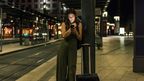
Women travelers face a persistent safety tax that inflates travel costs by up to 30 percent, forcing them to make expensive choices that men rarely consider necessary. Solo female travelers routinely pay premiums for private accommodations over budget hostels, upgrade to safer airline seats, book premium rideshare services instead of public transport, and hire private guides rather than joining group tours.
The math adds up quickly. A woman booking a private room in Southeast Asia might spend $40 nightly instead of $10 for a hostel bed. Airport transfers through Uber or Grab instead of local taxis cost triple. Private guides in destinations like Peru or Morocco command $100 to $150 daily compared to $30 group tours. Travel insurance policies with women-specific coverage run higher. Even hotel selection shifts toward pricier establishments in safer neighborhoods.
This safety premium reflects real concerns, not paranoia. Sexual harassment, theft, and assault remain documented risks in popular destinations. Women travelers research neighborhoods obsessively, avoid night movement, and purchase personal safety devices like door alarms and GPS trackers. The psychological burden of constant vigilance becomes its own travel cost.
Airlines and booking platforms have responded unevenly. Some carriers now allow women to select seat preferences based on safety concerns. Hotels increasingly market women-only floors. Booking.com and Airbnb display safety ratings more prominently. Tour operators created female-focused groups through companies like Intrepid and G Adventures, though these tours often cost 15 to 20 percent more than standard offerings.
Budget travelers feel this squeeze hardest. The $50 daily travel budget works for men backpacking through Thailand or Guatemala. Women following the same budget sacrifice sleep quality, transportation security, and peace of mind. A woman might spend $80 daily to achieve what a man accomplishes at $55.
The solution requires industry-wide shifts. Better street lighting