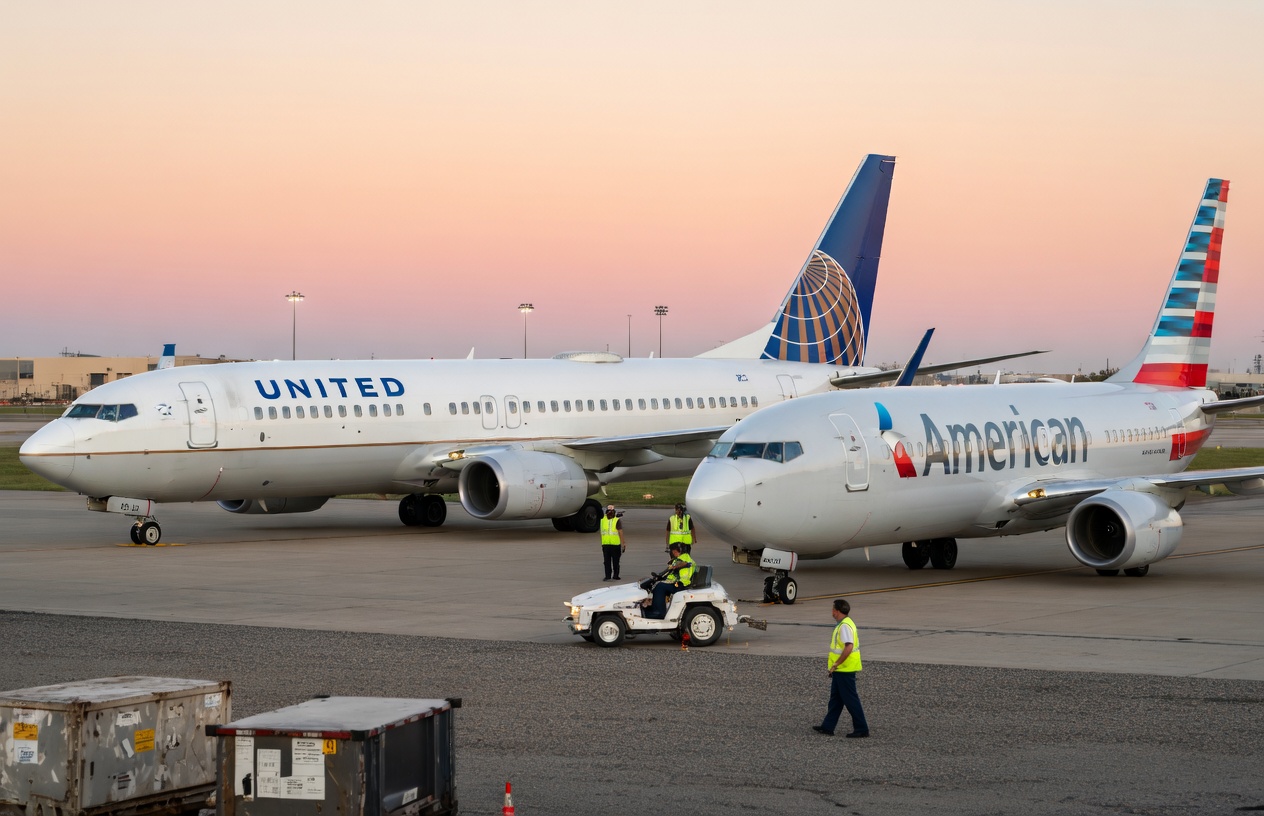
Airfare prices spiked 25.5% over the past year, with a 20% increase already logged in 2024 alone. This sharp climb startles travelers accustomed to pandemic-era bargains, but context matters. After accounting for inflation, tickets remain roughly 20% cheaper than they were in 2016. The surge reflects tighter capacity, stronger demand, and fuel cost pressures rather than a return to pre-pandemic pricing structures.
Hotel rates tell a different story. After years of elevated prices, accommodation costs have begun declining, offering relief on one leg of trip budgets. Airlines, meanwhile, continue managing capacity carefully. Carriers reduced available seats following the turbulent pandemic recovery, and strong leisure and business demand has allowed them to raise fares without losing passengers.
The inflation-adjusted perspective is crucial for travelers planning 2025 trips. A $300 ticket today equals roughly $400 in 2016 dollars due to overall price increases across the economy. Purchasing power hasn't returned to 2016 levels, but airfare inflation has lagged broader economic trends. This explains why travelers feel pinched despite the headline numbers.
For budget-conscious travelers, the mixed signals require strategy. Booking during wave sales, flying Tuesday through Thursday, and setting up price alerts on Google Flights and Scott's Cheap Flights remains essential. The surge reflects structural industry changes, not temporary spikes. Airlines face pressure from labor costs, which rose sharply post-pandemic, and competition remains fragmented among United, American, Delta, and Southwest rather than truly competitive.
The falling hotel prices present a window. Properties from budget chains like Red Roof and La Quinta to mid-tier brands such as Marriott properties and Hiltons are adjusting rates downward. This dynamic creates opportunities for travelers willing to book accommodations now while holding off on flights until last-minute deals emerge