Airbnb data reveals a sharp generational divide in travel preferences. While millennials flock to Barcelona, Paris, and Rome, Generation Z actively avoids overcrowded hotspots in favor of unconventional destinations offering authentic experiences.
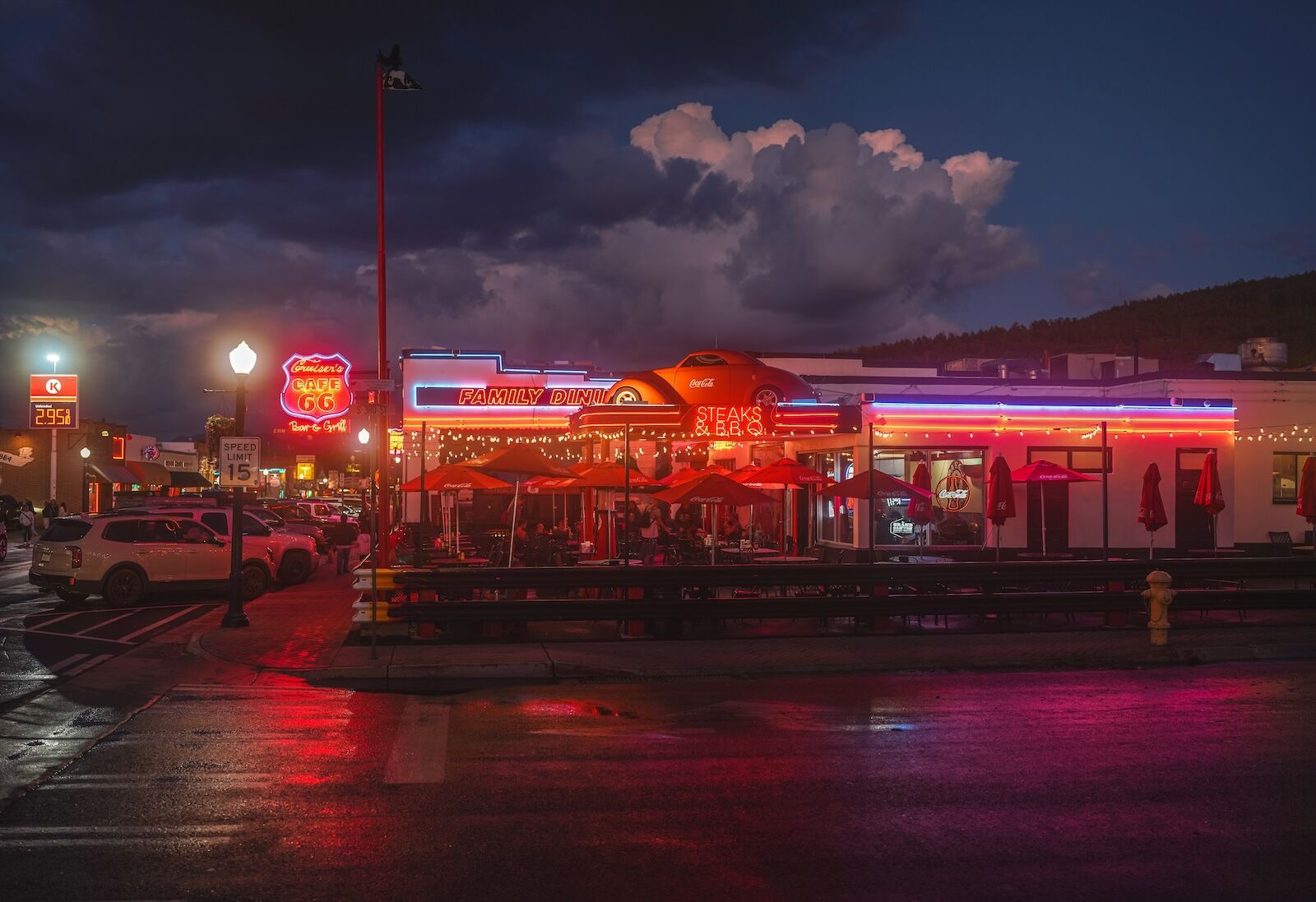
Gen Z travelers increasingly book stays in West Virginia, western Arizona, and rural American locales rather than Europe's tourist-saturated capitals. This shift reflects broader frustration with Instagram-famous destinations where crowds, high prices, and commercialization have eroded authenticity. The generation prioritizes discovering lesser-known communities, quirky local culture, and spaces where their presence doesn't contribute to overtourism.
Airbnb's platform data shows this trend accelerating. Young travelers search for unique stays in small towns, abandoned buildings converted to lodging, and properties in remote regions. They choose experiences over landmarks. A cabin in Appalachia or a converted barn in rural Arizona appeals more than another guided tour of the Colosseum.
This preference reflects economic reality too. Mainstream destinations command premium prices. Gen Z, facing student debt and entry-level wages, discovers that smaller towns offer lower accommodation costs and better value. A week in rural West Virginia costs a fraction of Paris or Barcelona. Airbnb's flexible pricing and peer-to-peer model serve this budget-conscious segment well.
Travel operators and destination marketers now recognize this opportunity. Rural communities benefit from direct tourism spending. Small-town Airbnb hosts earn revenue while their communities gain visibility. This redistribution of tourist dollars away from oversaturated capitals addresses sustainability concerns that plague Venice, Barcelona, and similar cities.
The trend challenges traditional travel industry assumptions. Travel isn't about checking off famous boxes anymore. Gen Z defines travel through discovery, originality, and community connection. They want to stay where locals actually live, not in neighborhoods transformed entirely by tourism.
For travelers planning trips, this signals opportunity.