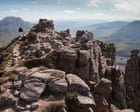
A travel journalist discovers unexpected fulfillment while volunteering with a conservation trust in Scotland's remote Wester Ross region. The assignment involved two days of physical labor repairing hiking paths in the rugged Highlands, specifically around Stac Pollaidh in Assynt, where dramatic summit views overlook sparse moorland.
The work proved surprisingly rewarding despite initial skepticism. The volunteer spent hours ankle-deep in blanket bog, using heavy-duty mattocks to maintain trails and prevent erosion. Tasks included unblocking cross drains and repacking them with stonework to manage storm runoff and protect the delicate landscape from further degradation. The isolation of the setting, with its surreal emptiness and wild terrain, created an intimate connection between the volunteer and the land being preserved.
This type of conservation volunteering represents a growing travel trend as visitors increasingly seek meaningful engagement with destinations beyond traditional sightseeing. Rather than passively consuming landscapes, travelers opt for hands-on experiences that contribute to environmental stewardship. Scottish conservation trusts facilitate these opportunities, connecting volunteers with practical trail maintenance and habitat restoration projects across the Highlands.
The experience highlights a shift in travel motivation. Visitors to Scotland's remote regions now often combine outdoor recreation with conservation work, creating trips that leave positive environmental impact rather than extractive tourism footprints. The physical demands of such work, while challenging, deliver genuine satisfaction unavailable through conventional tourism activities.
For travelers planning Highland trips, volunteering opportunities offer budget-conscious alternatives to traditional hiking tours while supporting local conservation efforts. Operators throughout Scotland offer short-term volunteer programs ranging from weekend projects to multi-week commitments. These experiences typically cost less than guided tours while providing deeper landscape understanding and meaningful cultural exchange with local conservation professionals.
The Wester Ross location exemplifies why such volunteering appeals to travelers. The remote Assynt landscape presents both natural beauty and real conservation challenges