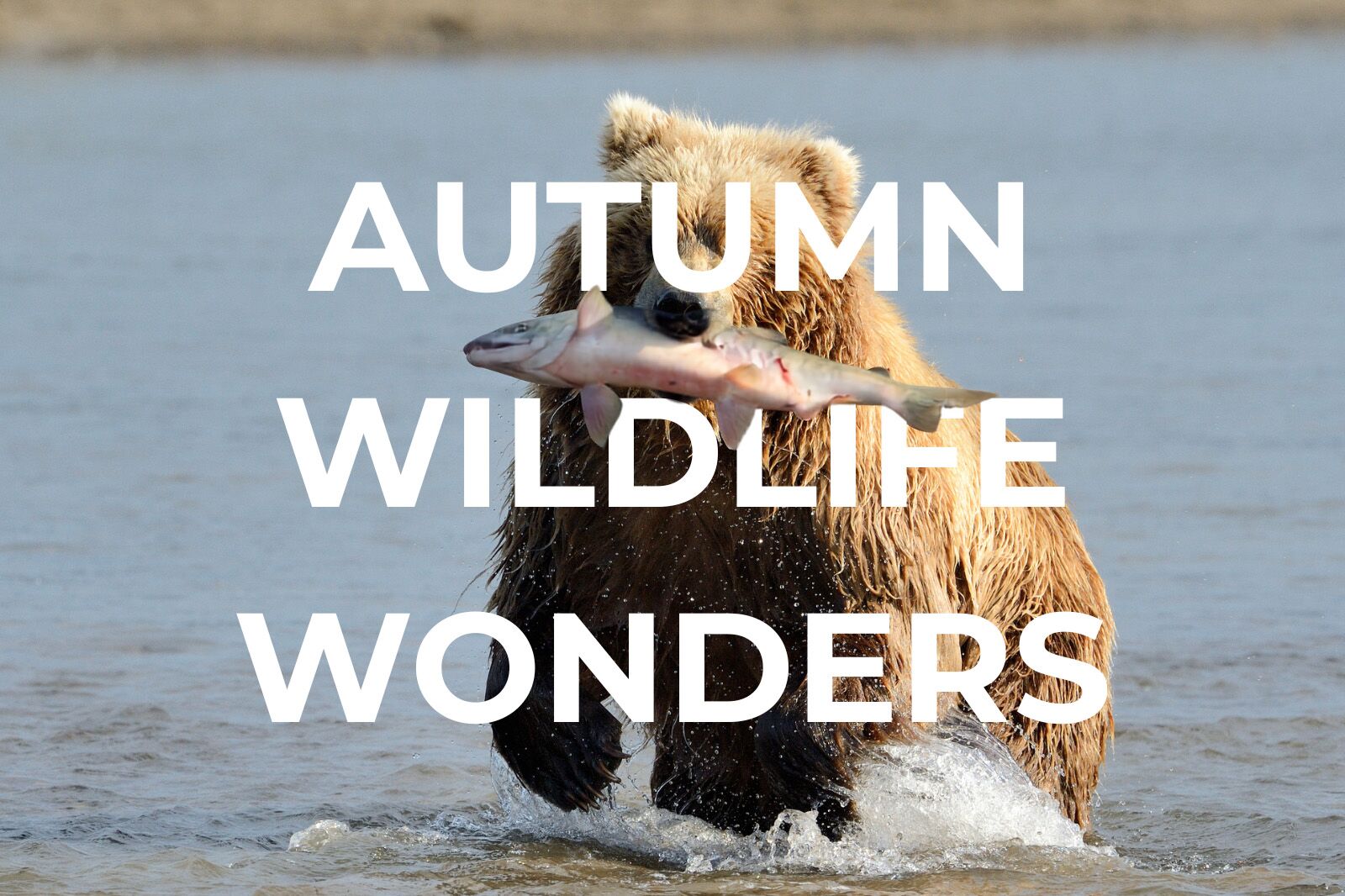
Autumn transforms wildlife viewing across North America and Europe, as migratory birds converge on staging grounds and mammals prepare for winter. This seasonal window offers travelers rare encounters without peak-season tourist congestion.
Churchill, Manitoba ranks among the world's premier destinations for polar bear observation. Between October and November, bears gather on Hudson Bay's frozen edges before the ice thickens. Arctic Kingdom and Frontiers North Adventures operate specialized lodge and tundra buggy tours where visitors spot bears from safe distances. Costs run $4,000 to $8,000 for five-day packages.
The Great Lakes region explodes with migratory waterfowl in September and October. Point Pelee in Ontario and Magee Marsh in Ohio attract birders tracking warblers, shorebirds, and raptors. Day visits cost under $50, with modest lodging available in nearby towns like Port Clinton and Leamington.
California's Central Valley wetlands welcome millions of ducks, geese, and cranes during fall migration. The Bosque del Apache near Socorro, New Mexico, peaks in November with sandhill cranes and snow geese. Both locations charge minimal entry fees and allow independent exploration or guided nature walks.
Scottish Highlands deliver stag rutting season in September and October. Red deer clash on moorlands while golden eagles hunt overhead. Estate lodges like Kintyre House offer 10-day packages combining wildlife viewing with Highland hospitality, typically $3,500 to $5,000.
East Africa's Serengeti remains accessible year-round, but September through November brings concentrated wildlife activity as herds recover from migration. Luxury operators like &Beyond and Singita operate camps where visitors encounter lions, elephants, and buffalo without extreme heat. Seven-night safaris range from $6,000 to $15,000.
For