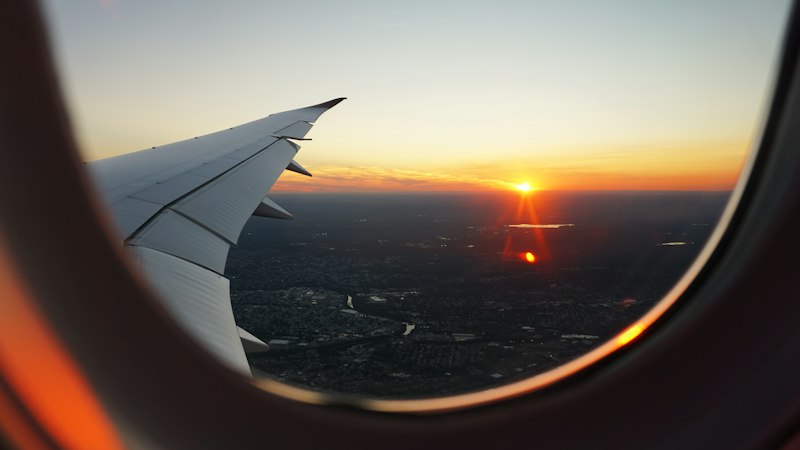
The unpopular take is that restraint, not speed, may be the smarter strategy here.
Adventure tourism has become synonymous with maximization. More countries per trip. More activities per day. More Instagram-worthy moments compressed into shorter timeframes. We've built an entire industry around the premise that adventure means covering ground fast, ticking boxes faster, and moving on before the next traveler claims your spot.
This mentality is exhausting us. Worse, it's diminishing the very thing we came for.
Consider the current landscape. Magazine covers celebrate whirlwind tours through multiple regions. Travel influencers pride themselves on visiting seven countries in two weeks. Adventure companies stack activities like pancakes: hike before breakfast, kayak by lunch, zip-line before dinner. The underlying message is clear: slow adventure is wasted adventure.
But evidence from travel psychology and environmental impact studies suggests the opposite. When travelers slow down, they absorb more. They retain memories better. They develop actual relationships with places rather than collecting visual tokens of them. A week in one region often produces richer stories than a fortnight scattered across five.
The practical benefits stack up quickly. Slower travel reduces jet lag and decision fatigue. It's cheaper when you're not constantly booking transport between destinations. Local guides and communities actually benefit when visitors stay longer and spend deeper rather than ping-ponging through on a schedule. Your body acclimates better to altitude, climate, and local food when you're not in constant motion.
There's also the safety argument, which rarely gets discussed. Adventure activities carry inherent risk. That risk multiplies when you're exhausted from poor sleep, dehydrated from constant travel, and attempting technical activities while unfamiliar with local conditions. The most serious incidents I've observed involve travelers who were rushing between experiences, fatigued and unfocused.
Recent travel writing has quietly acknowledged this shift. Pieces celebrating single-region exploration, like those examining what British rivers offer when you actually spend time with them, suggest readers are hungry for a different narrative. The appeal isn't exotic accumulation. It's depth.
Yet the industry pushes velocity because it's profitable. More trips sold means more revenue. Adventure operators compete on experience variety rather than quality. Tour companies structure packages around speed because logistics are simpler. Nobody's making money off you sitting still.
This creates a perverse incentive structure. The traveler who visits one region thoroughly for two weeks generates less revenue than the one who books three separate adventures across three separate destinations. The system rewards restlessness.
Changing this requires individual choice, not industry reform. You don't need permission to slow down. You can choose a single mountain range, a single coastline, a single valley, and spend your allotted time truly inhabiting it. You can do fewer activities and do them better. You can visit a place twice instead of visiting two places once.
The contrarian part is admitting that this goes against current adventure tourism marketing. It means rejecting the pressure to document everything. It means tolerating boredom, which modern travel culture treats as failure. It means being the person who stays put while others are collecting passport stamps.
But adventure isn't about quantity. It's about transformation. That requires time. It requires repetition, routine, and the space to actually process what you're experiencing rather than rushing toward the next thing.
The fastest way through an adventure destination isn't actually the smartest way. Sometimes the best strategy is to stop moving and start paying attention.