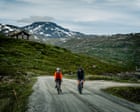
Norway's Mjølkevegen, or Milky Way, transforms an historic milk delivery route into one of Europe's most dramatic cycling experiences. This 155-mile (250km) route skirts Jotunheimen national park in southern Valdres, combining punishing elevation gains with stunning panoramas of peaks and glacial lakes.
The route earned its nickname from its original purpose. Centuries ago, farmers used this path to transport milk from high alpine pastures down to towns below. Today, cyclists tackle the same demanding terrain, but reward themselves at cosy mountain inns scattered throughout the region rather than completing commercial deliveries.
Jotunheimen Travel operates guided three-day rides along the route, with local guides like Glenn Roar Berge offering insights into the landscape's geography and history. The cycling demands serious fitness. Norway's mountainous terrain means constant elevation changes, with riders climbing steep passes that test even experienced cyclists. The payoff arrives at the summits, where unobstructed views stretch across Jotunheimen's peaks and turquoise lakes.
This route reflects a broader trend in European cycling tourism. Travellers increasingly seek challenging, narrative-driven routes that connect history with landscape. The Mjølkevegen delivers both. Riders experience the Alps' dramatic geology without crowds found on more famous Alpine passes. The route's remote location in southern Norway means fewer cyclists and more intimate encounters with the landscape.
Accommodation options cater to cycle tourists specifically. Traditional Norwegian mountain inns provide hot meals and comfortable beds after long riding days, with operators handling luggage transfers between stops. This removes logistical barriers that deter many travellers from attempting multi-day bike trips.
Costs for guided trips through operators like Jotunheimen Travel typically run between £1,000 and £1,500 for three days, including accommodation and support