Charles Dickens escaped London's summer heat for the same reason modern travellers do today. A new exhibition at the Charles Dickens Museum in London explores the Victorian writer's holiday habits, revealing that his pursuit of coastal retreats and seaside towns mirrors contemporary travel patterns with striking clarity.
The museum's exhibition traces Dickens's holiday movements across 186 years of documented travel, from his favoured Kent escape in Broadstairs to the Isle of Wight. Writing to friends in anticipation of leaving the sweltering capital, Dickens complained that "all the watering places are crammed with hot people" — a sentiment that resonates sharply with today's overtourism concerns. His letters reveal the anxiety of holiday timing, the crowding of popular destinations, and the desperation to secure decent accommodation before peak season arrives.
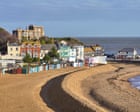
Dickens became a repeat visitor to Broadstairs, a quiet Kentish seaside town that offered respite from London's frenetic pace and oppressive summer temperatures. The town, now easily accessible via train from London Victoria in just over two hours, retains much of its Victorian charm. The writer spent multiple summers there, renting cottages and using the location as a creative retreat. He worked on major novels including "David Copperfield" and "The Pickwick Papers" while staying in Broadstairs, proving that the appeal of seaside towns as writer's havens held true then as now.
The Isle of Wight also featured prominently in Dickens's holiday itinerary. The island, accessible by ferry from Southampton or specialist operators like Red Funnel, offered similar attractions: fresh air, coastal scenery, and distance from London's congestion. Victorian holidaymakers travelled to the Isle of Wight by steamship, a journey that took hours rather than the 55 minutes modern ferries require today.
The exhibition draws parallels between Dickens's era and contemporary travel behaviour during heatwaves. Just as London experienced intense heat 186 years ago, the UK has recently recorded five significant heatwaves in a single year, driving travellers toward the coast. The crowding Dickens observed at popular seaside destinations speaks to a timeless pattern. Broadstairs and similar Kent coastal towns now experience summer visitor surges comparable to those of the Victorian period, with accommodation filling rapidly and prices rising accordingly.
What emerges from this historical lens is that travel motivation remains fundamentally constant. Heat drives escape. Crowds follow. Those with means and flexibility secure the best locations earliest. The infrastructure has changed dramatically, but the underlying human impulse to flee urban heat for coastal air persists unchanged.
For modern travellers planning a seaside escape, Dickens's example offers practical wisdom. Broadstairs remains an excellent choice for those seeking a quieter alternative to busier south-coast destinations like Brighton or Bournemouth. The town offers Victorian heritage, modest accommodation options, and direct rail access from London. The Isle of Wight provides more isolation and varied scenery, though at greater travel cost and time investment.
The Charles Dickens Museum exhibition runs through the summer, offering a counterintuitive travel story. Rather than discovering new destinations, examining where a literary giant chose to spend his holidays reveals that the best coastal retreats were established long before Instagram made them famous.