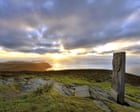
# Island-Hopping Through Stone-Age History in Ireland, Wales and the Isle of Man
A growing wave of travelers are abandoning conventional resort holidays for something deeper. Archaeological tourism around the Irish Sea now attracts visitors seeking to connect with prehistory, exploring sites that predate Egypt's pyramids by millennia. This trend reflects a broader shift toward heritage-driven travel experiences that combine education, landscape immersion, and cultural discovery.
The Irish Sea region offers unparalleled access to Neolithic and Bronze Age monuments scattered across three distinct destinations. Ireland holds some of Europe's most concentrated megalithic landscapes, particularly in County Meath's Brú na Bóinne complex, where the passage tomb of Newgrange rivals Stonehenge in age and engineering mystery. Wales delivers dramatic hillside cairns and stone circles across Snowdonia and the Brecon Beacons, many accessible via local hiking routes without formal tour operators. The Isle of Man, often overlooked by mainstream tourism, features chambered cairns and standing stones that reveal Bronze Age maritime trade networks linking the Irish Sea world together.
Travel operators increasingly package these destinations into multi-day island-hopping itineraries. Irish tours typically base visitors in Dublin or Drogheda, with day excursions to Brú na Bóinne, Tara, and Carrowmore. Welsh circuits center on Conwy or Caernarfon, accessing Pentre Ifan's iconic dolmen and numerous hillforts. Isle of Man ferries from Dublin, Holyhead in Wales, and Liverpool create natural routing for three-destination trips. Stena Line and Isle of Man Steam Packet operate regular crossings, with journey times between 2-8 hours depending on route.
Accommodation ranges from budget-friendly village B&Bs to upscale country house hotels. The Boyne Valley Hotel near Newgrange offers proximity to major sites at moderate rates. In Wales, The Pig near Brecon combines farm-to-table dining with walking access to multiple prehistoric monuments. Isle of Man's Ravenscar House provides coastal stays with guided archaeological walks included.
Costs remain accessible compared to other European heritage tourism. Day tours from Dublin to Brú na Bóinne run 60-90 euros per person. Ferry crossings between islands average 50-100 euros. Self-guided exploration costs only entrance fees, typically 8-15 euros per site. This affordability attracts families and independent travelers alongside conventional tour groups.
The experience appeals to visitors fatigued by mass-market attractions. Unlike crowded museum exhibits, these open-air sites encourage direct physical engagement with ancient spaces. Walking through Newgrange's inner chamber during winter solstice alignment ceremonies creates visceral understanding impossible from guidebooks. Scrambling across Welsh hillfort ramparts or touching standing stones connects visitors to Bronze Age builders in ways photographs cannot replicate.
Local guides sharpen the experience considerably. Their narratives transform scattered stones into evidence of sophisticated societies, trade networks, and belief systems. The encounter described in the article, where a guide recounted discovering human remains at an ancient burial site, illustrates how personal expertise transforms casual sightseeing into meaningful historical encounter.
Travel timing matters significantly. May through September offers optimal weather and extended daylight for outdoor exploration. Spring equinox and winter solstice periods draw specialty tours to Newgrange, though crowds peak during these windows. Shoulder seasons provide better accessibility with fewer visitors.
This archaeological tourism pattern follows established European heritage trails through Brittany, the Cotswolds, and Orkney. However, the Irish Sea circuit remains less commercialized, preserving what many travelers seek: authentic engagement with deep history without theme-park theatricality. As experiential travel grows and mass tourism declines, island-hopping through Stone Age sites around the Irish Sea positions itself as the thinking traveler's alternative to conventional island escapes.