# Naples' Underground Time Machine: A New Film Reveals Southern Italy's Buried Ancient Treasures
Filmmaker Gianfranco Rosi's new documentary captures an extraordinary truth about Naples and its surroundings: some of Europe's most spectacular ancient ruins sit just beneath the surface, accessible not by expensive tour operator or lengthy expedition, but by regional train.
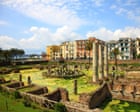
The film follows visitors descending into the Teatro Romano at Herculaneum, the Roman port town buried by Mount Vesuvius in 79 AD. Tourists squeeze through narrow tunnels carved into volcanic rock, their waterproof capes catching torchlight in the darkness as they enter a "civilisation buried mid-sentence." Two thousand years of urban life sits directly above them. This is archaeological tourism with genuine visceral impact.
Herculaneum stands apart from its more famous neighbor Pompeii. Where Pompeii sprawls across acres and draws endless crowds, Herculaneum remains intimate and undervisited. The volcanic mud that destroyed it actually preserved it better, turning organic material to ash and sealing buildings in a protective cocoon. Walking through its narrow streets and entering homes still furnished with ancient beds and kitchenware creates an immediacy that Pompeii's broader excavations sometimes lack.
The real revelation in Rosi's work centers on accessibility. Naples sits on the Campania region's regional train network. From Napoli Centrale, visitors can reach Herculaneum in 20 minutes on the Circumvesuviana line. The train itself becomes part of the narrative, connecting tourists to sites most international visitors never discover. Unlike organized tours from major hotels, this demands independent travel. It rewards curiosity.
The documentary reveals lesser-known villas and sites across the Vesuvius region that most Naples visitors miss entirely. Beyond the famous excavations lie private Roman residences, fishing settlements, and administrative buildings preserved in volcanic layers. Many remain partially excavated or open only to scholars. Some sit behind locked gates, accessible only by contacting Herculaneum's administration office directly at ercolano.cultura.gov.it.
Naples itself has shifted its tourism narrative. Once dismissed as chaotic and unsafe, the city now attracts travelers seeking authenticity over polish. Direct flights from London, Paris, and Berlin mean European visitors increasingly bypass Rome and head south. Budget carriers like Ryanair and easyJet serve Naples' Capodichino Airport with fares often undercutting flights to Rome by 30 percent.
Accommodation costs reflect this shift. Central Naples offers three-star hotels for 60-90 euros per night, compared to Rome's 120-150 euros. The city's legendary food costs less than Milan or Florence. A full dinner with wine in the Spanish Quarter runs 15-25 euros.
Rosi's framing matters. By presenting Herculaneum and surrounding sites through the lens of the Circumvesuviana train journey, he repositions southern Italy's archaeology as democratic rather than elite. No expensive archaeological tour operators required. No guides speaking only English. Just regional trains, reasonable admission fees (Herculaneum costs 13.50 euros), and direct access to one of the world's most intact snapshots of Roman life.
The seismic landscape surrounding these sites adds another layer. Vesuvius still towers above the Bay of Naples. Modern towns cling to its slopes. Visitors literally stand in the shadow of the event that preserved everything they observe below. The past remains geologically active here, never truly buried.