# Learning Tequila Beyond the Tourist Trail in Mexico
Puerto Vallarta's beaches and beachfront resorts dominate most travelers' itineraries, but one journalist discovered that National Tequila Day revelations happen miles inland, away from the resort pools and swim-up bars where mass-produced margaritas flow endlessly.
The writer ventured beyond Puerto Vallarta proper to experience how tequila is actually made, tasted, and celebrated by people who understand it. This journey fundamentally rewired their approach to one of travel's most iconic drinks.
Most margarita drinkers never think about where their tequila originates. They order frozen drinks at beachfront establishments like those along Puerto Vallarta's Malecón boardwalk, ice-cold and sweetened beyond recognition. The experience feels tropical and quintessentially Mexican, but it misses everything that makes tequila worth drinking.
Tequila production centers on the blue agave plant, which grows exclusively in designated regions of Mexico, primarily around the town of Tequila in Jalisco state. The spirit requires five to seven years of agave cultivation before harvest. Premium tequila producers focus on terroir, fermentation techniques, and aging processes that rival fine wine production.
The writer's education likely included visits to actual tequila distilleries, where mezcal and tequila differences become clear. Mezcal encompasses a broader category of agave spirits, while tequila must come from blue agave grown in specific Mexican regions. Blanco tequilas go straight from distillation to bottle. Reposado varieties age two to twelve months in oak barrels. Anejo tequilas spend at least one year aging, developing deeper complexity.
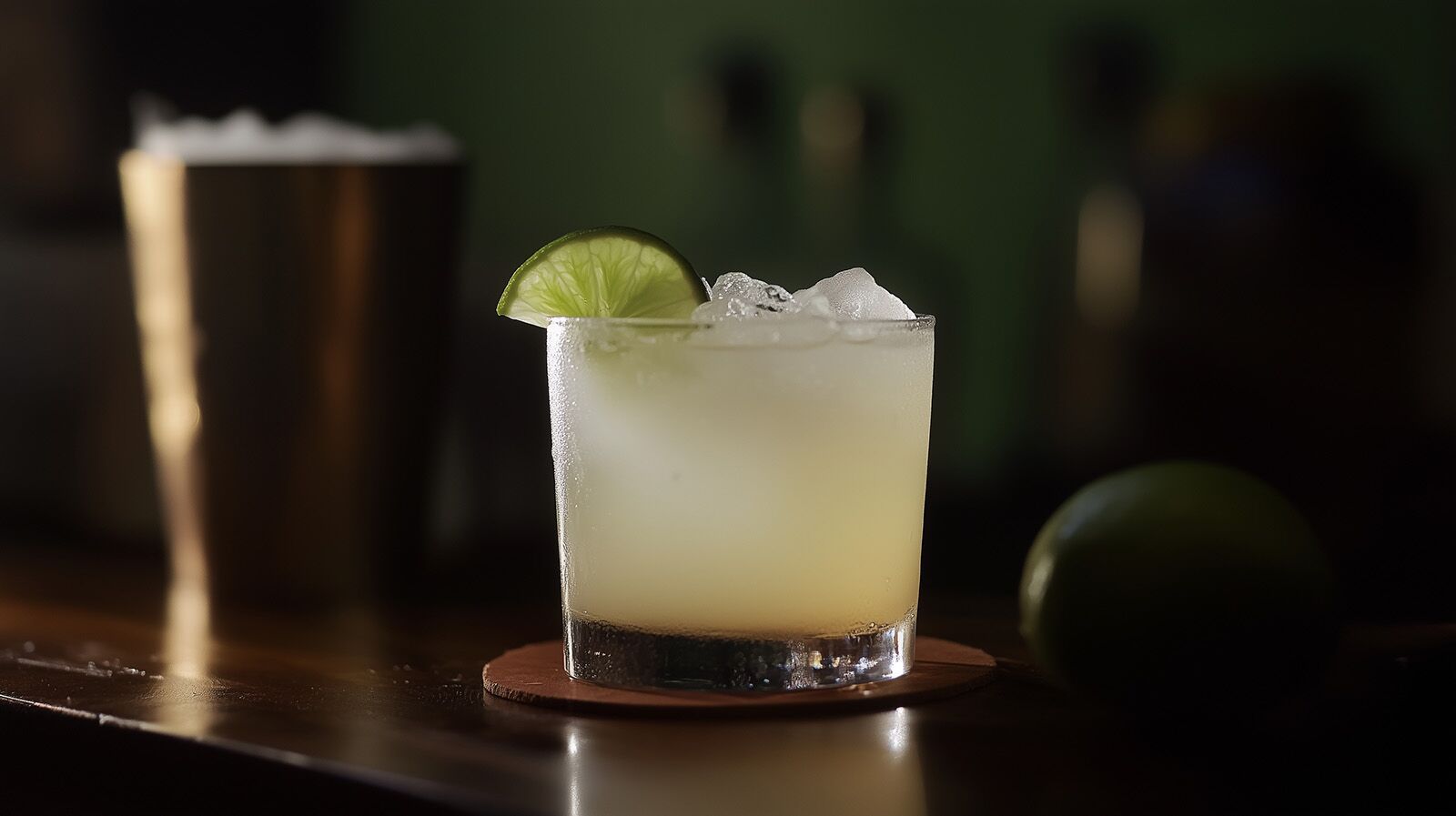
This knowledge transforms how travelers order drinks. A margarita made with quality blanco tequila, fresh lime juice, and proper proportions bears no resemblance to the neon-colored frozen concoctions served poolside at all-inclusive resorts. The difference parallels ordering a craft cocktail in Manhattan versus a pre-made mix at a beach bar.
Puerto Vallarta sits about two hours northwest of Jalisco's tequila region, making a day trip feasible for travelers who depart from their hotels. Designated tequila tours operate throughout the region, often including distillery visits, tasting sessions, and agave plantation walks. Operators like those based in nearby Guadalajara arrange multi-stop tequila experiences that educate visitors on production methods.
For travelers planning Puerto Vallarta trips, this reframes National Tequila Day (March 16) from an excuse for all-day drinking into an educational cultural experience. Allocating one day to visit an actual tequila distillery costs roughly the same as multiple resort bar tabs, yet delivers exponentially more knowledge and better quality spirits.
The shift toward understanding what you drink reflects broader travel trends. Tourists increasingly seek authentic experiences over standard resort activities. Food and beverage tourism grows faster than traditional beach vacations. Travelers want stories and education, not just sunshine and swimming.
This means margaritas will never taste the same. Whether ordering at Puerto Vallarta's beachfront establishments or home bars later, the drinker now understands the craftsmanship involved. They recognize quality tequila by sight and taste. They appreciate the generations of knowledge embedded in each bottle.