# Peak Season Colors: Where to Chase Fall Foliage and Mountain Adventures This Autumn
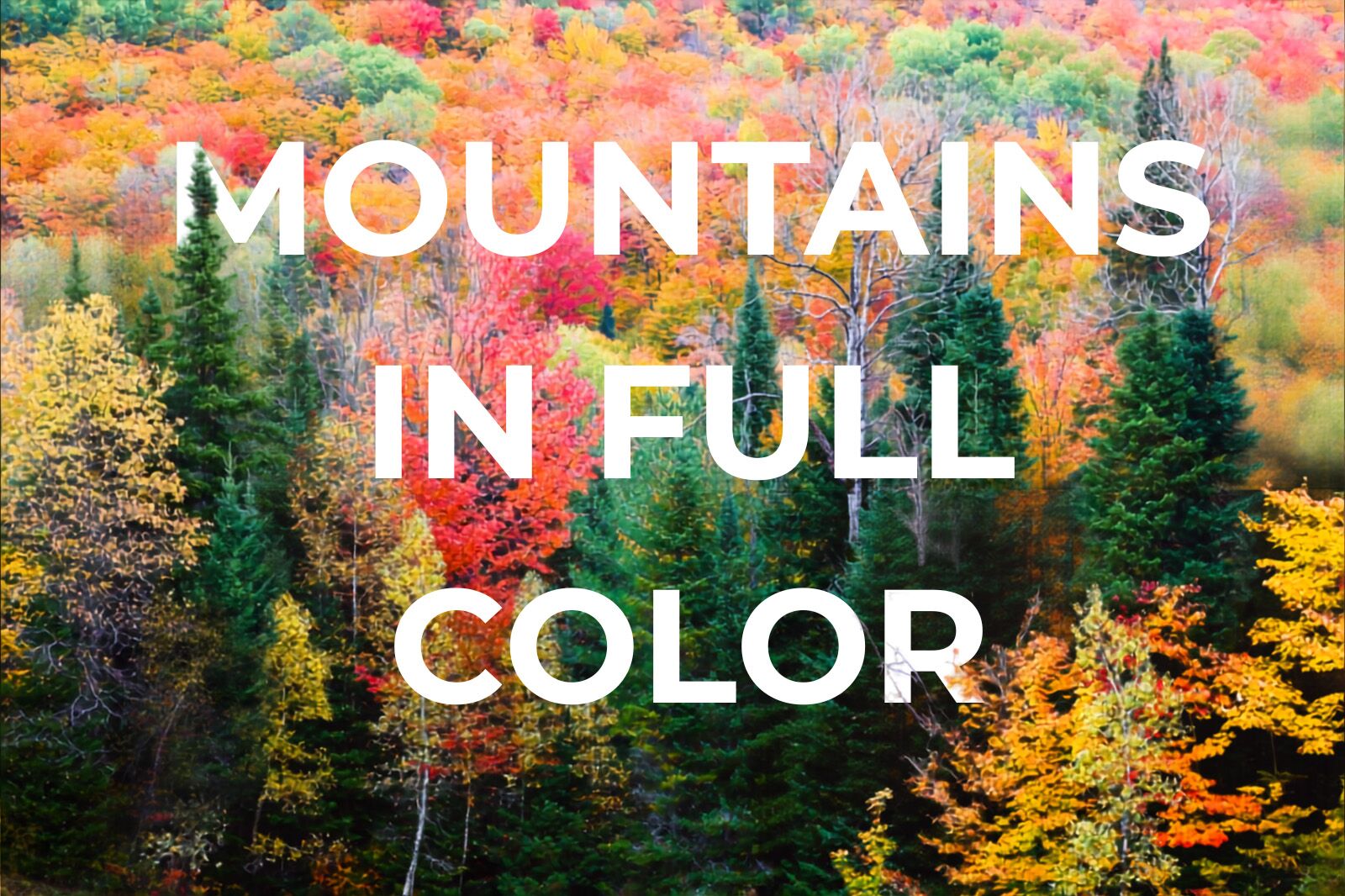
Fall transforms mountain regions into natural galleries of crimson, gold, and amber. Timing matters enormously for travelers chasing peak foliage, and missing the window by even two weeks means duller landscapes and crowded trails competing for fading colors.
The northeastern United States delivers the most dramatic autumn displays. Vermont's Green Mountains turn electric in late September through mid-October, with Route 100 offering a scenic drive through small towns like Stowe and Waterbury. The foliage peaks spread across elevation gradients, so higher elevations show peak color first, then lower valleys follow days or weeks later. New Hampshire's White Mountains create equally stunning backdrops, particularly around Franconia Notch State Park where mountain roads wind through constantly shifting colors. Peak foliage typically arrives here in early October.
The Southern Appalachian range extends the season into November. North Carolina's Blue Ridge Parkway stretches 469 miles through some of the finest mountain scenery on the continent. The parkway remains open year-round but delivers its most photogenic displays from mid-October through early November. Asheville serves as the main hub, offering restaurants, breweries, and accommodations ranging from budget motels to upscale resorts like The Omni Grove Park Inn.
Out West, Colorado's Aspen region transforms in late September when aspen groves turn brilliant gold against evergreen forests. The Maroon Bells near Aspen rank among North America's most photographed peaks, especially during color season. Rocky Mountain National Park in northern Colorado offers hiking trails at various difficulty levels where fall foliage frames alpine vistas. September typically brings peak aspen color before winter storms arrive.
Utah's Zion and Bryce Canyon National Parks provide dramatic geology paired with fall colors in October. The contrast between red rock formations and golden cottonwoods creates striking photography opportunities. Less crowded than eastern destinations, these parks still see seasonal traffic increases during peak foliage weeks.
Timing requires checking foliage prediction maps and park websites before booking. Services like the Vermont Foliage Hotline and Fall Foliage Predictions from the Smoky Mountains provide daily updates on color progression. Booking accommodations two to three months ahead ensures availability during peak weeks, particularly in popular towns.
Airlines serving mountain regions experience seasonal demand spikes. Flights into Denver, Boston, and Charlotte fill quickly during peak foliage season. Rental car companies often run out of vehicles, so reservations made early prevent disappointment.
Weather patterns shift dramatically as fall progresses. Early October in the mountains brings cool mornings around 50 degrees Fahrenheit but afternoon temperatures still reaching 65 to 70 degrees. Later in the season, temperatures drop faster, particularly at higher elevations. Layering becomes essential for comfortable hiking and outdoor exploration.
Fall foliage tourism drives significant economic activity for mountain communities. Small towns throughout Vermont, New Hampshire, and the Appalachians depend heavily on autumn visitor spending. Restaurants and attractions extend their seasons to accommodate foliage travelers, though some close entirely once colors fade.
The window for peak foliage rarely exceeds three to four weeks in any single region. Early booking, flexible travel dates, and monitoring foliage reports give adventurers the best chances of timing their trips perfectly for vivid mountain landscapes that justify the planning effort.