# Labor Day Travel Surge Points to Narrowing Wealth Gap in American Vacations
Americans are flooding cruise ports this Labor Day weekend despite higher airfare and fuel costs, signaling a shift in how different income groups approach vacation spending.
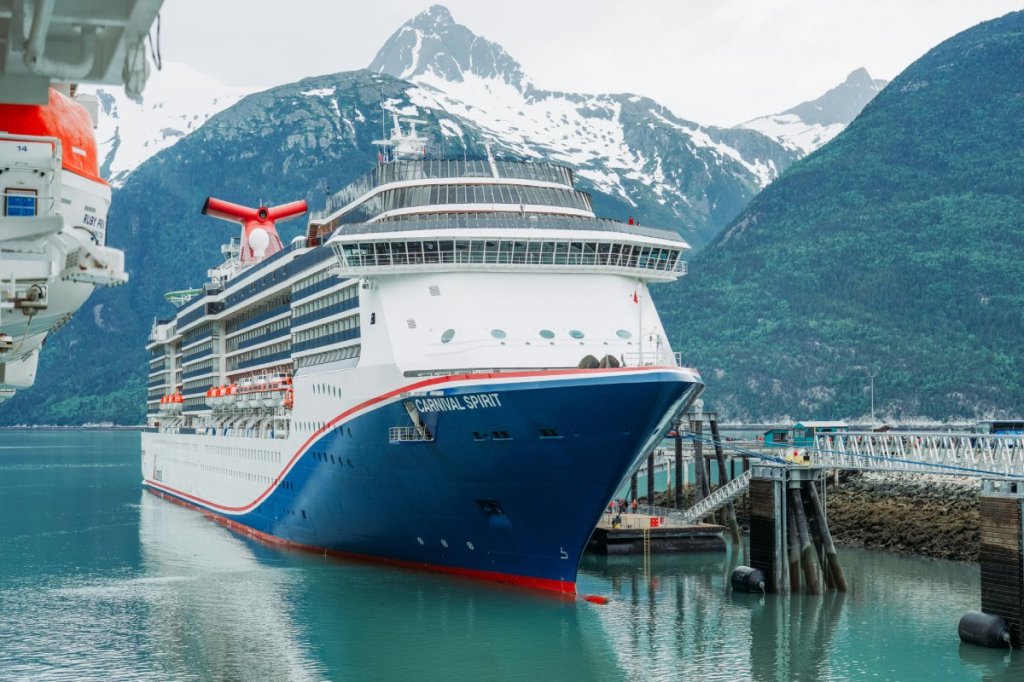
Cruise destinations are experiencing their strongest bookings of the season, according to industry data. Passengers are choosing multi-day voyages departing from major hubs like Miami, Port Canaveral, Galveston, and New York as their preferred way to escape Labor Day constraints. Royal Caribbean, Carnival, and Disney Cruise Line report near-capacity sailings for the holiday period.
The surge reveals a narrowing of what economists call the K-shaped travel gap, the divergence between high-income and middle-income travelers that widened during the pandemic. Previously, affluent travelers dominated the cruise market while budget-conscious Americans skipped vacations altogether. Now middle-income households are increasingly willing to book cruises despite paying more at the gas pump and for airfare to reach ports.
Airfare prices remain elevated compared to pre-pandemic levels. Major carriers including American Airlines, United, and Delta report strong demand but maintain premium pricing on holiday routes. Gas prices hover near $3 per gallon nationally, adding expense for families driving to embarkation ports. Yet consumers push forward with bookings anyway.
Cruise lines benefit from the economics of their product. A week-long Caribbean cruise from Miami on Carnival or Royal Caribbean often costs less per day than a land-based vacation in Florida or the Caribbean. All-inclusive pricing covers meals, entertainment, and accommodations, making budgeting easier for middle-class families. This appeals to households with $50,000 to $100,000 annual income who previously hesitated at vacation spending.
The trend extends beyond cruising. Hotel bookings for Labor Day show similar patterns, with mid-range properties reporting strong occupancy. Marriott's moderate brands and IHG's Holiday Inn Express see heavier demand than luxury properties. Discount airlines including Southwest and Spirit continue filling seats despite higher fares.
What's changing is behavioral spending. Working families are treating Labor Day not as a weekend getaway but as a multi-day investment. They're choosing experiences that deliver value over prestige. A seven-day cruise hitting Cozumel, Grand Cayman, and Jamaica appeals more than a four-night luxury resort stay at double the nightly cost.
This represents a fundamental shift in post-pandemic travel psychology. During 2020 and 2021, wealthy travelers dominated discretionary spending while others stayed home. Recovery has democratized vacation access. Technology enables last-minute bookings through apps from Cruise Direct and CruCon, lowering barriers for spontaneous middle-income travelers.
The narrowing gap suggests travel demand will remain robust through fall. Labor Day cruises establish momentum for Columbus Day and Thanksgiving sailings. Industry analysts expect cruise lines to maintain high capacity through Q4 2024.
For travelers planning holiday weekends, booking early remains wise despite current demand. Cruise ports fill fastest during three-day weekends. Airfare discounts diminish as departure dates approach. The sweet spot for Labor Day booking was two weeks prior, but savvy shoppers can still find cabin inventory on less popular ships or itineraries. Mid-range cruising continues offering the best value proposition for American families navigating higher overall vacation costs.