# Discovering Europe's Hidden Island Gems Beyond the Crowded Coastlines
European travelers increasingly bypass overcrowded Mediterranean hotspots in favor of lesser-known islands that deliver authentic experiences without the masses. Guardian readers have identified a string of underrated destinations that offer dramatic landscapes, genuine local culture, and the kind of solitude that makes island travel worthwhile.
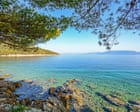
Cres, Croatia's northernmost Adriatic island, tops the list of overlooked jewels. Part of the Kvarner Gulf archipelago, this sparsely populated destination sits at the northern edge of the Croatian coast and attracts far fewer tourists than Dalmatian favorites like Hvar or Korcula. Visitors encounter griffon vultures soaring overhead, scrubby Mediterranean heath, olive groves, and lavender-covered hillsides. The island's minimal tourist infrastructure means lower prices and genuine encounters with locals. Ferries from Rijeka connect travelers to Cres in under two hours, making it accessible without feeling commercialized.
Italy's Aeolian Islands represent another reader favorite for those seeking quiet Mediterranean charm. These volcanic islands scattered off Sicily's northern coast offer evening passeggiata (the traditional Italian evening stroll) through whitewashed villages without the Venice crowds or Amalfi Coast prices. Each island carries distinct character. Salina and Panarea draw visitors seeking quieter experiences, while Stromboli offers dramatic volcanic landscapes for adventure travelers.
Ireland's secluded coves attract readers seeking Atlantic drama over Mediterranean warmth. Lesser-known Irish islands like Clare Island and Achill Head provide rugged coastal beauty, dramatic cliffs, and minimal commercial development. Ferry access from the mainland keeps numbers manageable while ferry costs remain reasonable.
These discoveries reflect a broader travel trend. Post-pandemic, affluent travelers increasingly reject conventional resort tourism in favor of slow travel, cultural immersion, and destinations where visitor numbers remain manageable. Airbnb and boutique hotel growth have made remote islands more accessible without introducing mass tourism infrastructure. Travelers avoid the 4.5 million annual visitors overwhelming Santorini or Mykonos by choosing islands with populations under 5,000.
Transportation advantages support this shift. Budget carriers like Ryanair, EasyJet, and Wizz Air connect regional European cities to lesser-known gateways. From there, local ferry operators serve island networks efficiently. A flight to Rijeka costs less than a flight to Split, with ferries reaching Cres directly. Similarly, reaching Sicily's Aeolian Islands costs less than peak-season Amalfi flights.
Accommodation costs favor these destinations substantially. While Santorini's five-star hotels charge 400 euros nightly during summer, Cres guesthouses and small hotels run 80-150 euros. The Aeolian Islands' boutique hotels average 120-200 euros with fewer crowds. Irish island guesthouses typically cost 90-140 euros.
Dining experiences underscore the value proposition. Where Amalfi Coast restaurants charge 35 euros for pasta, Cres tavernas serve comparable dishes for 12-15 euros. The Aeolian Islands maintain similar pricing for seafood-focused menus. These savings apply across local transportation, wine, and activities.
Readers emphasize that these islands reward slow travel. Multi-day stays reveal seasonal rhythms invisible to day-trippers. Summer festivals, local fishing boats returning at dawn, and evening gatherings in village squares become part of the experience rather than background scenery.
For travelers planning 2025 trips, these destinations offer European island experiences that don't require booking months ahead or paying peak-season premiums. The trade-off involves limited nightlife and fewer English-language menus, but that precisely defines their appeal for readers seeking authenticity over entertainment infrastructure.